First, find out whether your water is hard
Hardness is the amount of dissolved calcium and magnesium, and it is what leaves scale on fixtures and inside heaters. The utility's published water-quality reports list sodium but no hardness figure, so they do not answer the question. Do not accept a sales claim that your water is among the hardest anywhere, because the reports do not say that.
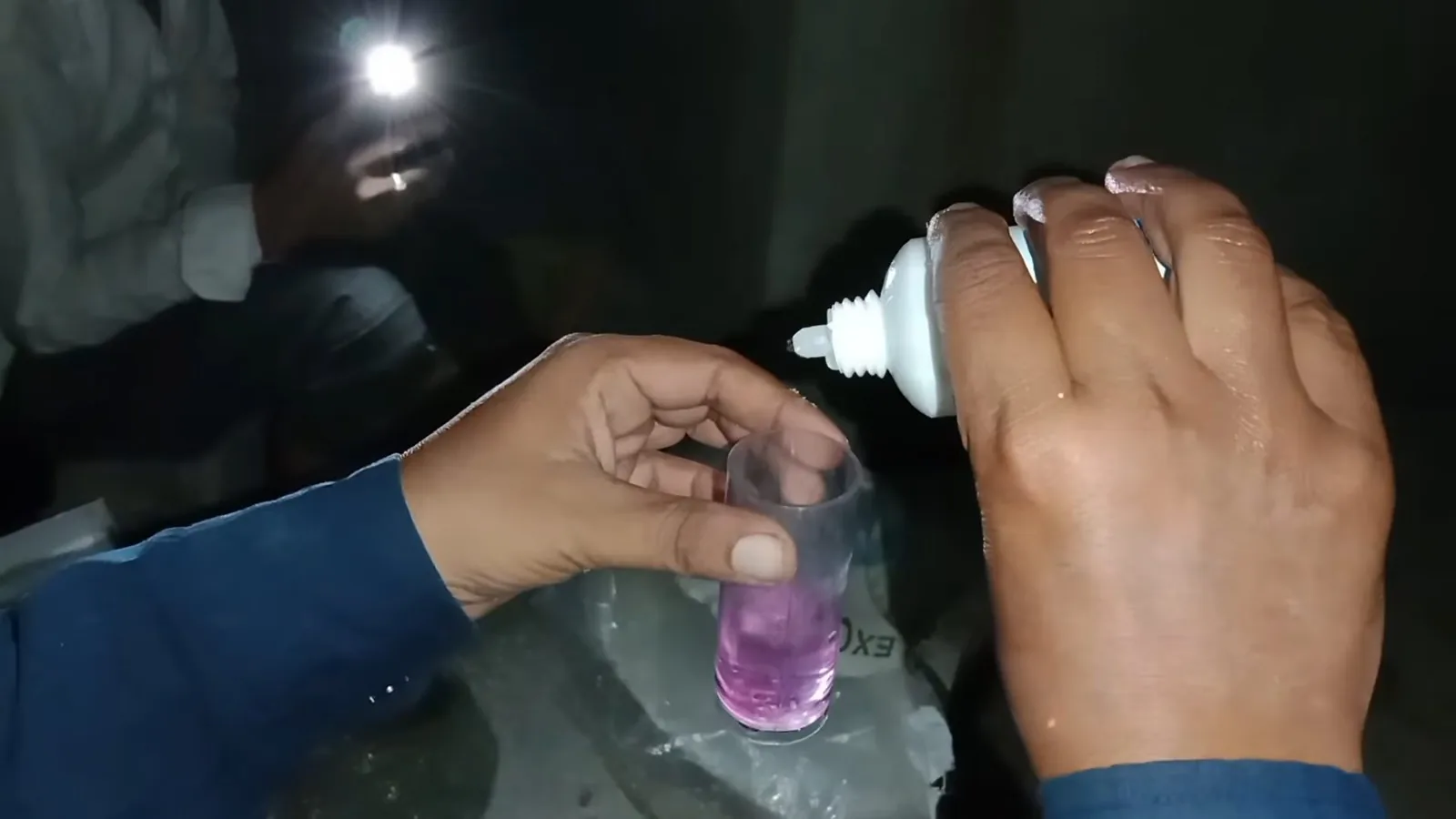
- Ask the utility. Call Bullhead City Utilities at (928) 763-9400 and ask for the hardness for the system serving your address.
- Use a test. A hardness test kit from a hardware store gives a reading in grains per gallon or parts per million.
- Ask a plumber to test at the tap and write the result down. Test the cold side, ahead of any existing treatment.
- Compare two readings taken on different days, since groundwater can vary.
More than one water system serves the city
Bullhead City Utilities runs several water systems, named Mohave, Desert Foothills, Rio Vista Ranches and North Mohave Valley, all drawn from groundwater, and Bermuda Water Company serves some southern areas. Water can differ from one system to another. A neighbor's reading on another street may not match yours, so ask about your own address.
The one thing the reports do state is sodium. In the 2025 reports the Mohave system lists 230 parts per million and Desert Foothills 91 parts per million. That matters for softeners, which add sodium or potassium during treatment, and for anyone watching their sodium intake. A softener decision should include that fact, not only the scale.
What a softener does and what it adds
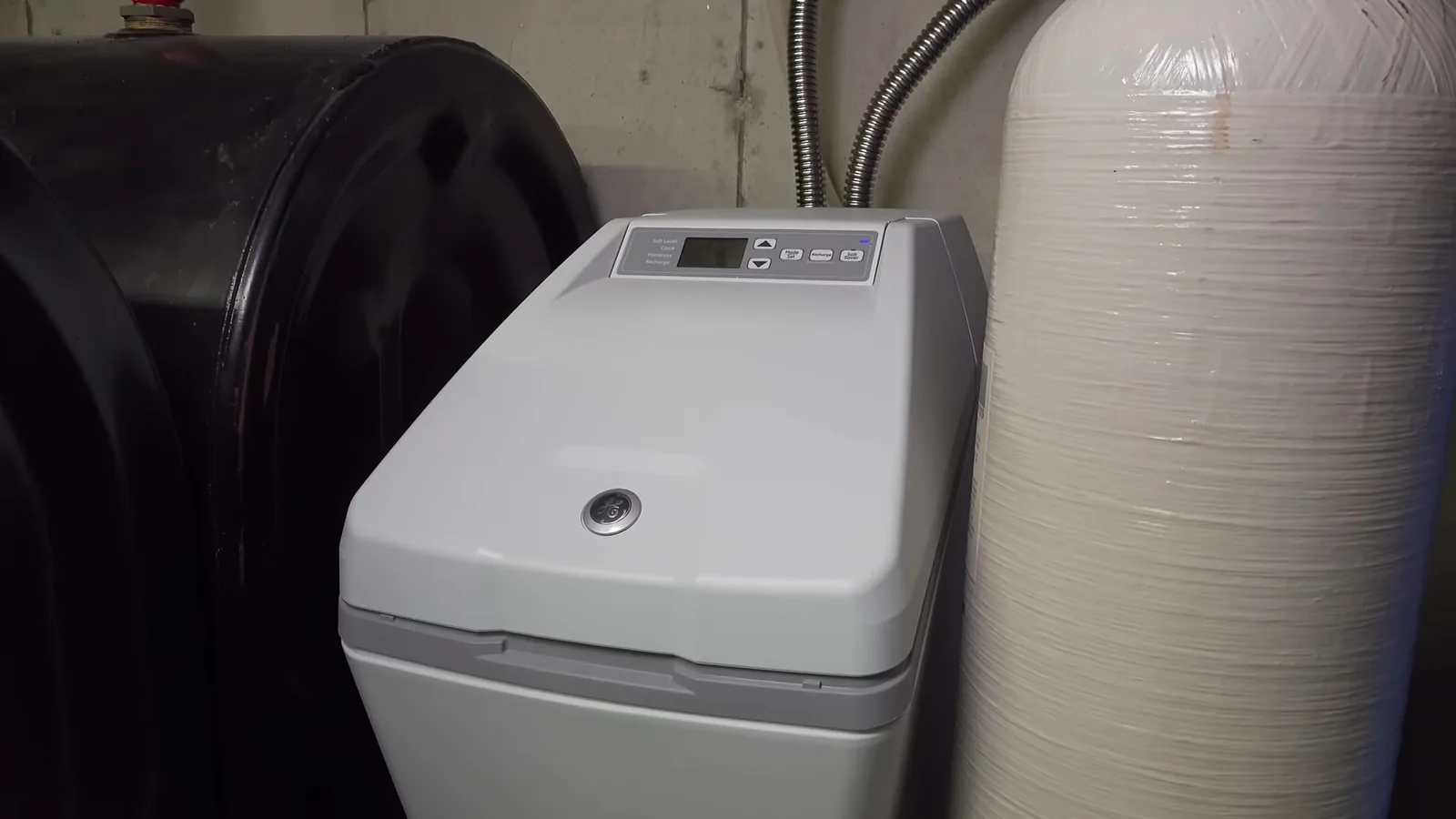
A salt-based softener swaps the calcium and magnesium in the water for sodium, or for potassium when potassium salt is used. The scale-forming minerals are removed before they reach the heater and the fixtures. The water is softer to the touch and soap lathers more easily. It also carries slightly more sodium than before.
Anyone on a restricted-sodium diet should ask a doctor before installing one, and many installations leave one tap, often the kitchen drinking-water tap, on the untreated line. A softener does not remove contaminants or improve taste in the way a filter does, which is where filtration systems come in.
Softener, filter or neither
| Your goal | What addresses it | What to know |
|---|---|---|
| Stop scale on fixtures and heater elements | A softener, once hardness is confirmed | Measure first; the reports do not give a hardness figure |
| Improve taste or remove chlorine and sediment | A filter, not a softener | A softener does not do this job |
| Protect a tankless heater | A softener or inlet filter, plus descaling | See tankless water heater service |
| Low-sodium diet | A drinking-water tap on untreated water, or no softener | Ask a doctor about sodium |
Installation: where it goes and where the water goes
A softener installs on the main line as it enters the house, usually in a garage or utility space, ahead of the water heater. It needs a power outlet, a drain for the regeneration water and room for a salt tank. Ask the plumber where the unit will sit, where the drain connects and how the outdoor hose bibs are handled.
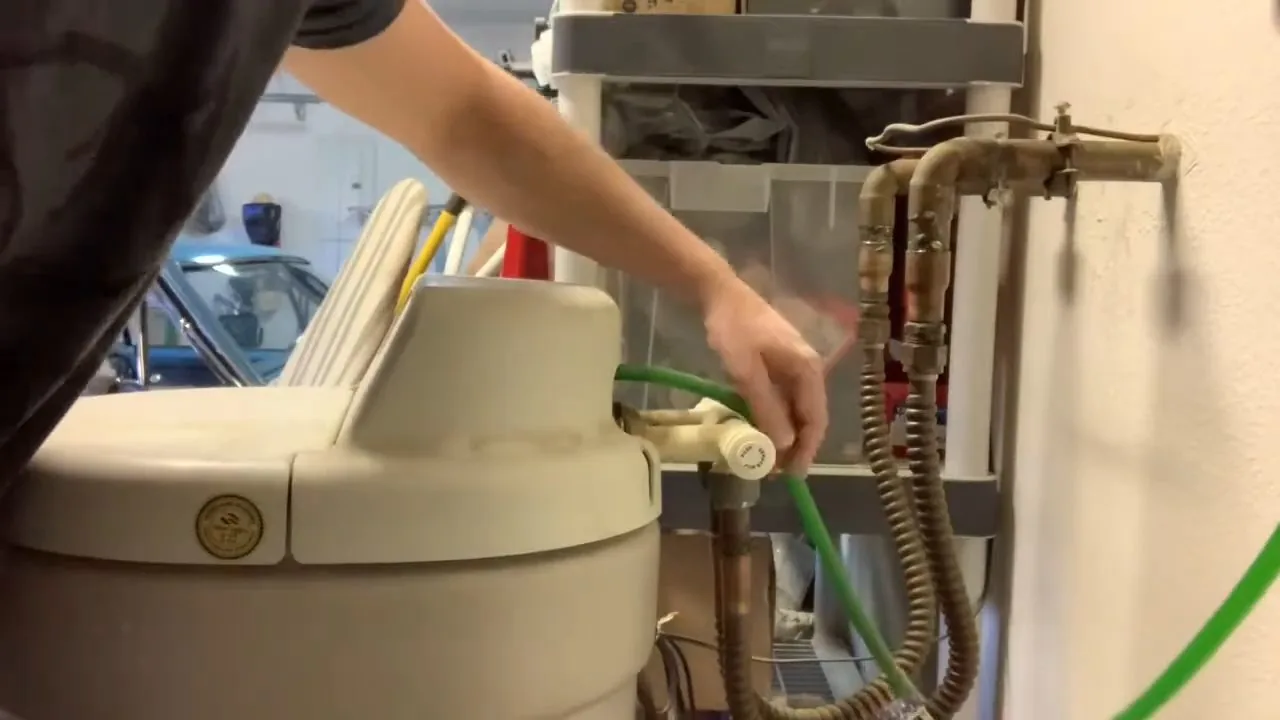
Regeneration sends salty water to a drain. In homes on city sewer that is routine, and in homes on septic it is a question to settle first. If you are not sure which serves your address, Bullhead City Utilities can tell you at (928) 763-9400, and Mohave County Environmental Health is the city's contact for septic.
Repair and maintenance
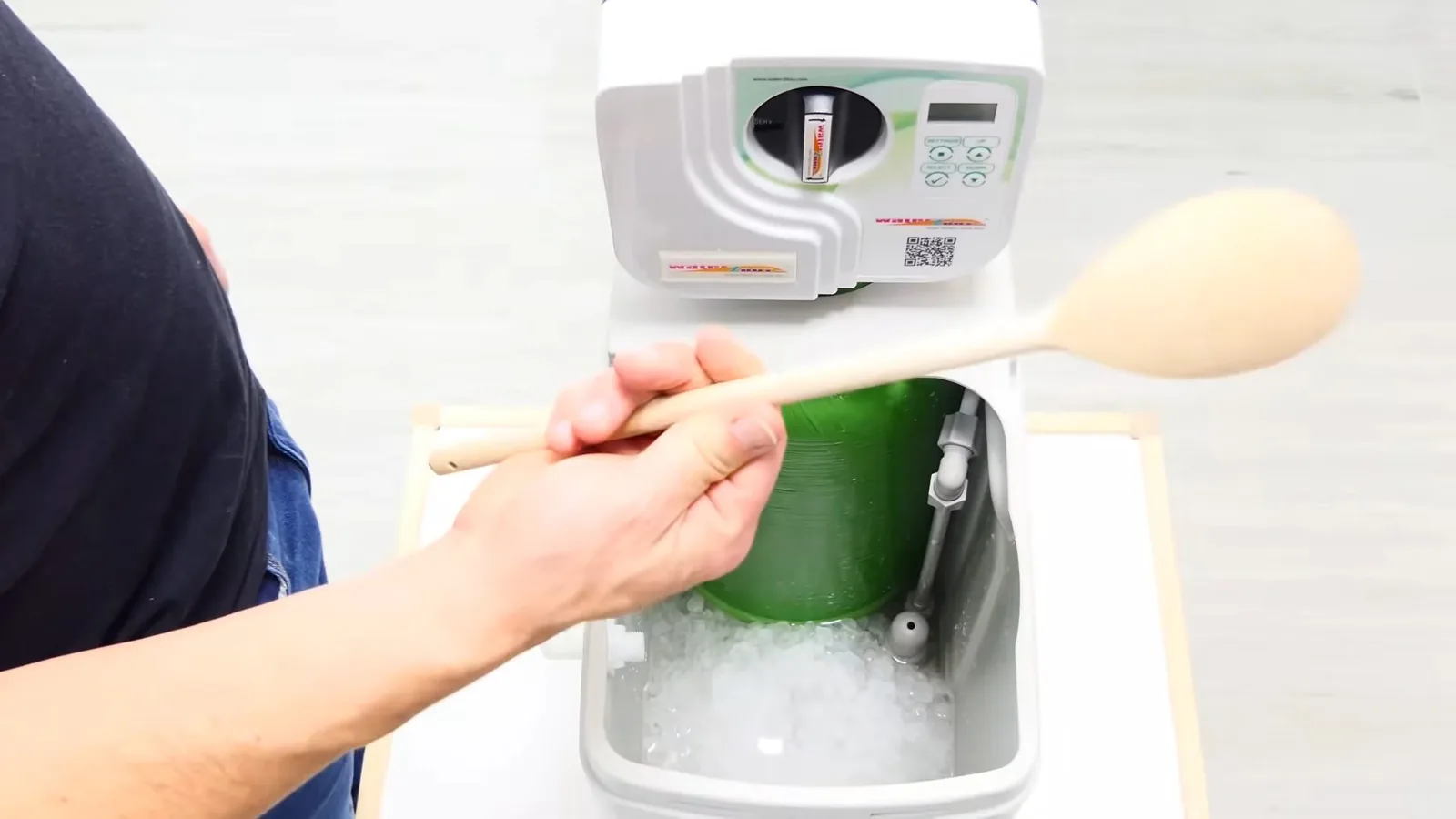
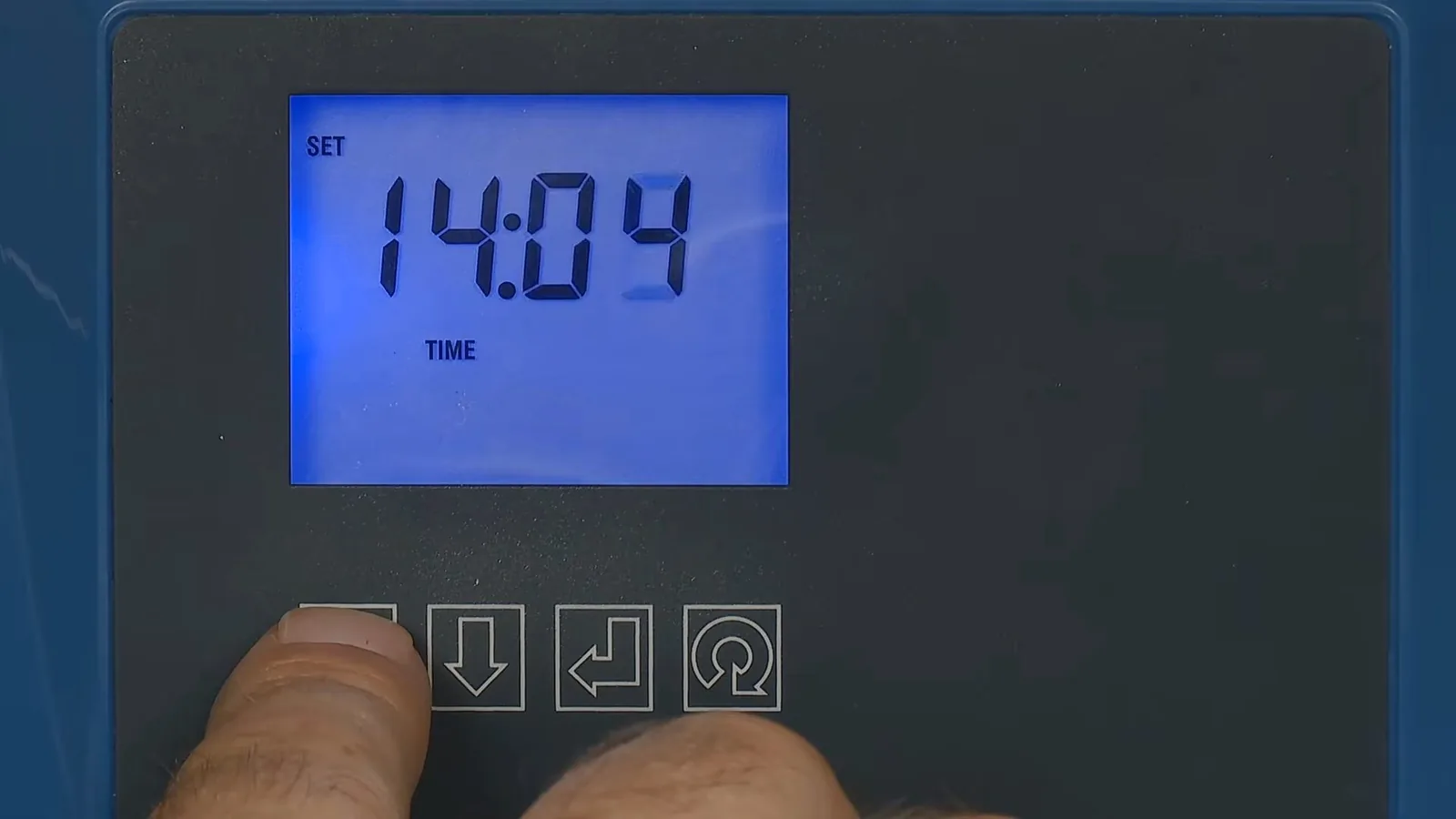
A softener needs salt, a clean brine tank and an occasional resin or valve service. Symptoms of a unit that has stopped working are the return of scale, a hardness test that reads high after the unit, or a salt tank that never empties. A plumber can check the valve, the settings and the resin.
Scale is also a repair issue in its own right. If a heater is already rumbling or a faucet is clogged with mineral crust, those are separate fixes, covered under water heater repair and faucet repair. Treatment prevents more, but it does not undo what has already built up.
Water softener questions
Is Bullhead City's water hard?
The utility's published reports do not give a hardness figure, so this site cannot say. Ask Bullhead City Utilities at (928) 763-9400 for the figure for your address, or test it yourself with a kit, and decide from that number and not from a sales claim.
Does a softener make water safe to drink?
A softener changes the minerals in the water and does not filter out contaminants. The utility's annual water-quality report describes what is in the supplied water. If you want a filter for taste or for specific substances, that is a different device with its own page.
Will a softener fix the crust on my faucets?
It will slow new buildup if your water is hard. Existing crust has to be cleaned off or the part replaced, because treatment does not dissolve what is already there. Soaking aerators and removable fixture parts in vinegar removes light buildup.