
Signs the pipes are the problem, not one leak
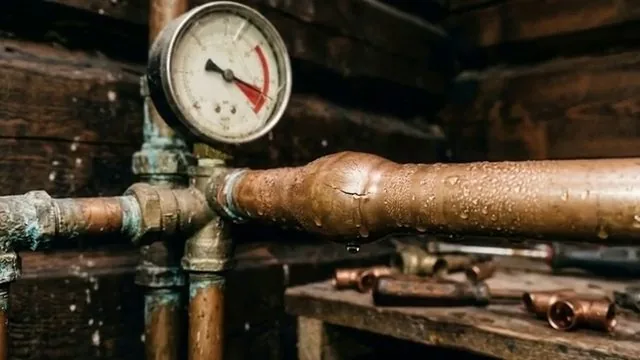
- Leaks in different places within a year or two, especially pinholes.
- Rust or brown water at the tap when water has sat overnight.
- Low pressure that affects the whole house, not a single fixture.
- Green or blue stains or corrosion at fittings and valves.
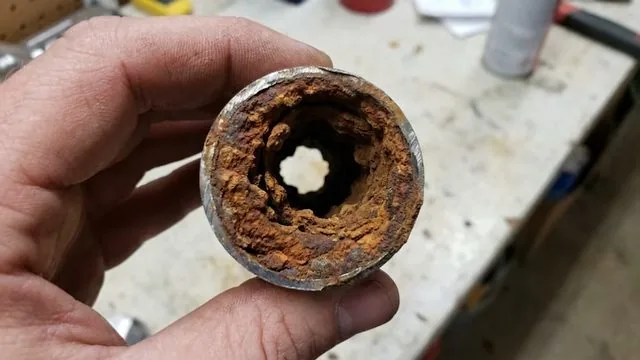
- Pipe that looks scaled, pitted or flaking where you can see it.
- A plumber who tells you the pipe around a repair is thin or corroded.
One leak does not prove the pipes are failing. A fitting can fail on a healthy line. What tells you the pipe is the problem is the pattern: more than one leak, and a plumber who sees the same wear in the sections beside each repair. Ask the plumber to show you the condition of the old pipe when it is open.
Median 1991 build year and manufactured homes: why timing matters
The median home in Bullhead City was built in 1991, and 26.4 percent were built between 1980 and 1989, according to the Census five-year survey. Plumbing of that age is thirty to forty years old. Age alone does not mean a pipe has to be replaced, but the older the system, the more likely the next repair is not the last.
About 29 percent of homes here are manufactured homes, where supply lines run in the floor system under the home, often with different materials and access than a conventional house. Say what kind of home you have when you call, because the method and the amount of wall work differ. The condition of lines inside walls, not just underneath, matters.
Choosing a pipe material
| Material | What it is | What to ask |
|---|---|---|
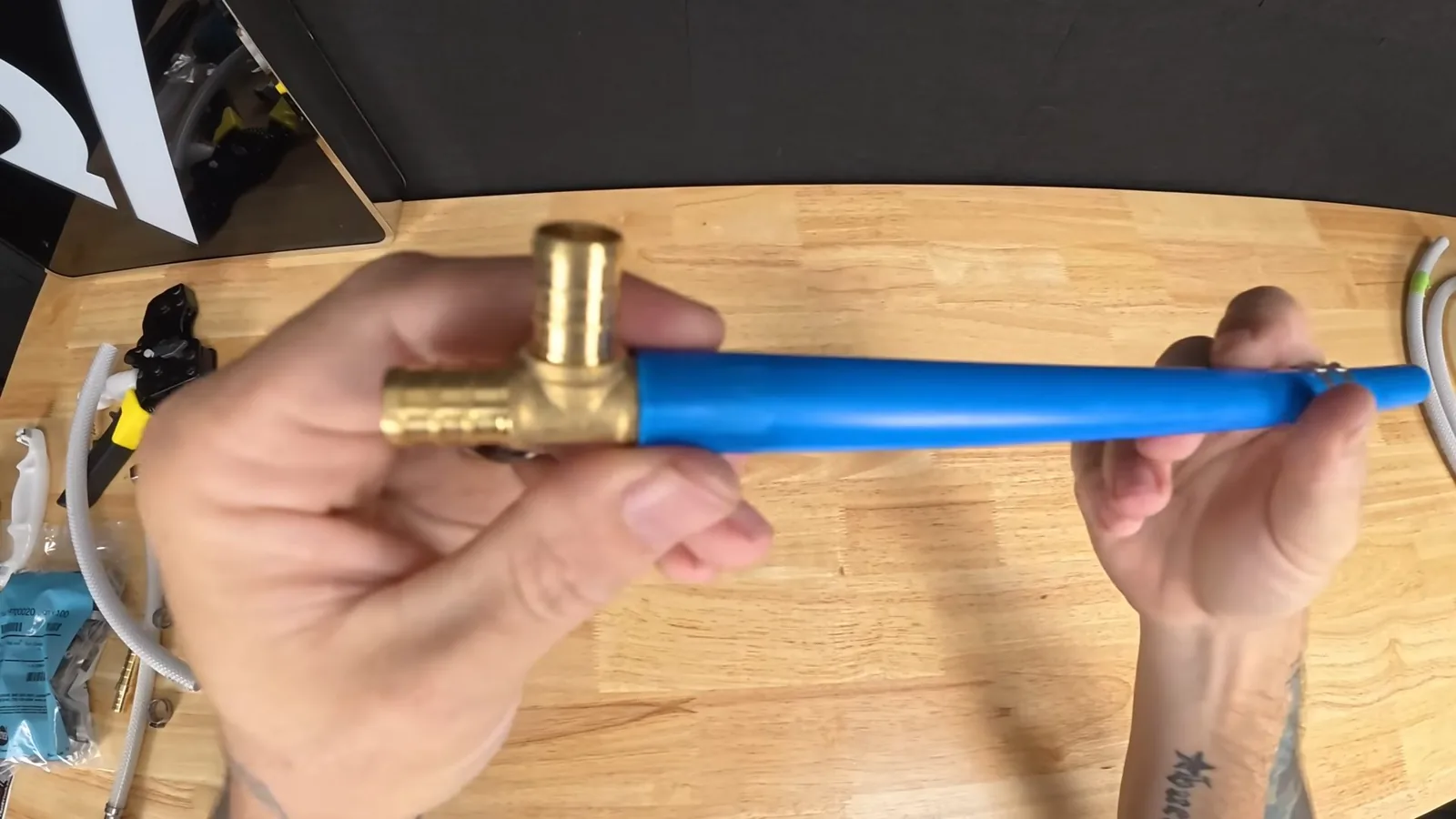
| PEX | Flexible plastic tubing that bends around corners and is joined with fittings | Where fittings will sit, whether they are accessible, and the plumber's experience with it |
| Copper | Rigid metal pipe, soldered or joined with fittings | Pipe type and wall thickness, and how it will be supported |
| Other approved materials | Depends on the code and the application | Whether the material is approved for potable water under the city's adopted code |
Do not choose a material from an advertisement. Ask the plumber why they recommend it for your house, how it will be run and what the manufacturer's warranty requires. Water chemistry can affect pipe life, and the utility's reports list sodium but not hardness. Ask Bullhead City Utilities at (928) 763-9400 what it can tell you about the water serving your address.
Whole house, or only the failing lines
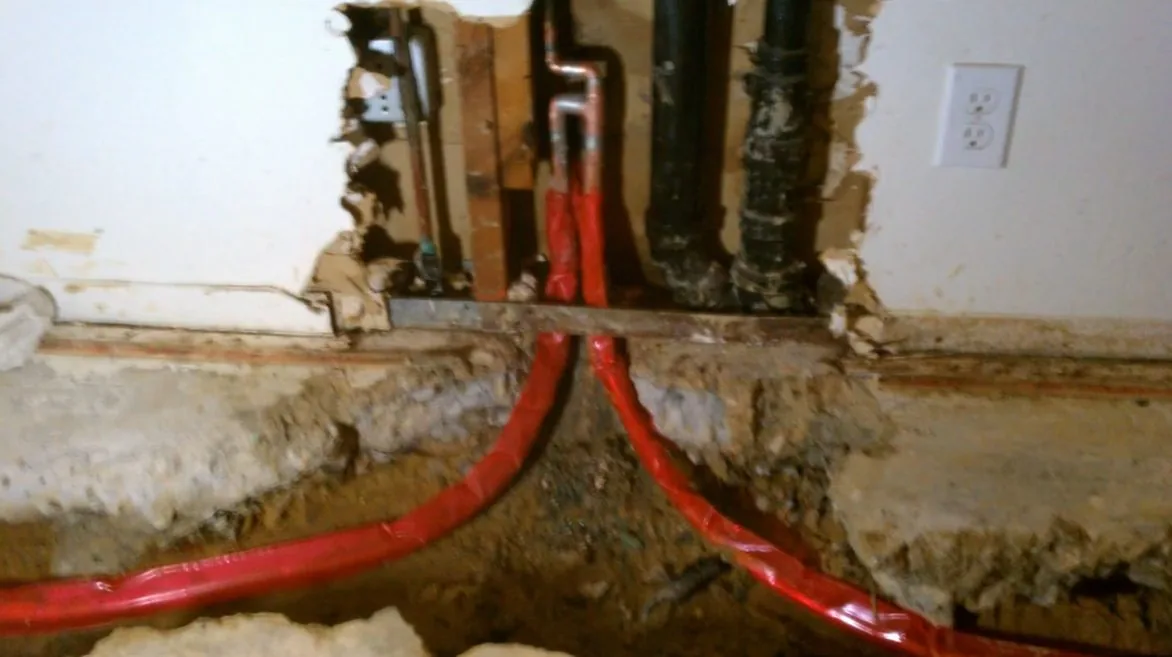
A whole-house repipe replaces the supply lines throughout the home. A partial repipe replaces the lines that are failing, such as the run to one bathroom or the section under a slab. Partial work costs less up front, and it leaves old pipe in the walls that may fail later. Ask the plumber to say honestly how much of the old pipe looks sound.
For a leak under a concrete floor, the question is whether to reroute through the attic or walls, which is a form of partial repipe. That decision is on the page about leaks under the slab. A single isolated break is a repair, as the page on repairing a burst pipe explains. Repiping is for patterns.
Assessment, access openings, pressure test and patching
- Assessment. The plumber looks at the existing lines, access and the layout, and writes down a scope.
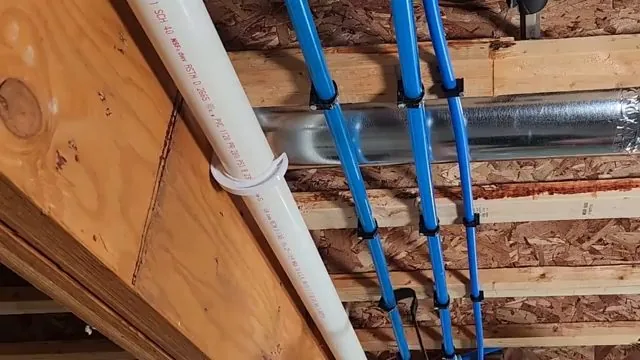
- Access. Small openings are made in drywall at key points. Where lines run through the attic or under the home, they are reached from there.
- New lines are run and connected to fixtures, then pressure tested before anything is closed.
- Inspection, where a permit applies, before the openings are patched.
- Patch and finish. Ask who repairs the drywall and paint, since patching is often a separate trade.
Water is off for part of the work, and the plumber should tell you how long and when. Plan for a day or more without the full use of the house, depending on size. Ask what will be opened and what finishes will be patched, and ask for the scope in writing so you know what to expect before work starts.
Permit, inspection and why it matters on this job
The city's permit-exempt list covers repairing leaks in pipes, valves and fixtures, but replacing concealed pipe with new material is treated as new work and needs a permit. A repipe is exactly that. Bullhead City uses the 2018 International Plumbing Code. Ask the plumber who pulls the permit, and confirm with the Building Division at (928) 763-0124.
The inspection is a second set of eyes on a job you cannot see once the walls are closed. It also leaves a record that the work was permitted, which helps at resale and with insurance. If any water damage has already happened, the drying work is separate and is explained under water damage removal and drying.
Repiping questions
How do I know if I need a full repipe?
A single leak does not mean it. Repeated leaks in different places, widespread corrosion, discolored water and falling pressure together point that way. Ask the plumber to show you the old pipe and say how much of it looks sound.
Will repiping fix low water pressure?
It can, if the cause is scale or corrosion narrowing the old pipes. Low pressure can also come from a failing pressure regulator, a partly closed valve or a supply issue outside the house, so the plumber should check those first before anyone quotes a repipe.
Does repiping affect my water quality?
New pipe removes corrosion and scale that came from the old lines inside the house. It does not change the water the utility supplies to the property. For questions about what is in the water itself, the utility's annual water-quality report is the source.