
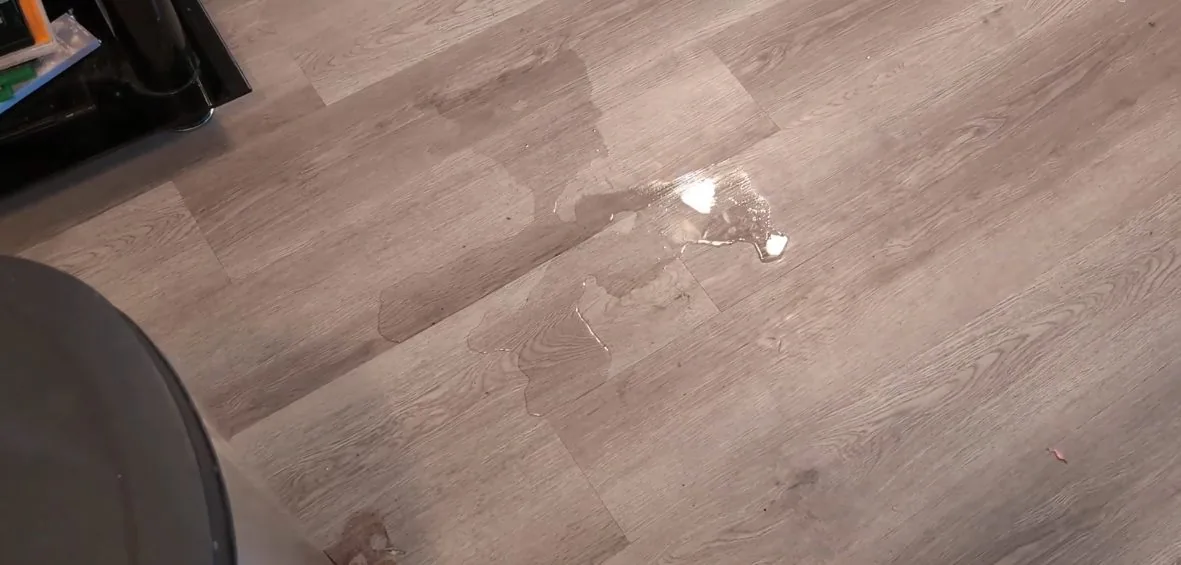
Before drying anything, confirm the water has stopped
Drying a space while a pipe is still leaking is wasted effort. Close the main valve, check that nothing is dripping and watch the meter with every fixture off. If you cannot find the source, that comes first, and finding a hidden leak explains how. A burst line is covered under pipe repair after a break.
If the water is coming from the street or the meter box, the utility handles it, and Bullhead City Utilities takes leak calls at (928) 763-0166. If it is inside the house, the dispatch line on this site routes the call to a plumber. A call that starts with a clear description of where the water is saves time.
The first day: document, protect, start air moving
- Photograph and film the damage before you move anything, including the source and the date visible on your phone.
- Remove what you can from wet floors: rugs, furniture legs, boxes and electronics. Do not use household electrics in a wet room.
- Open windows and cabinet doors, and run fans where the room is dry enough to be safe, to start air moving.
- Write down what was damaged, what it cost and when the loss began.
Keep any failed parts, receipts for emergency work and the names of everyone who comes to the house. If you may make an insurance claim, call your insurer before you throw away damaged material, since they may want to see it or photographs of it. This page cannot say what a policy covers.
What can be dried and what usually has to come out
| Material | Usual outcome | Why |
|---|---|---|
| Carpet and pad | Pad is usually removed; carpet may be dried if the water is clean and the loss is recent | Pad holds water and dries slowly |
| Hardwood and wood flooring | Dried with specialized equipment, or replaced if it has cupped or buckled | Wood moves as it absorbs and loses moisture |
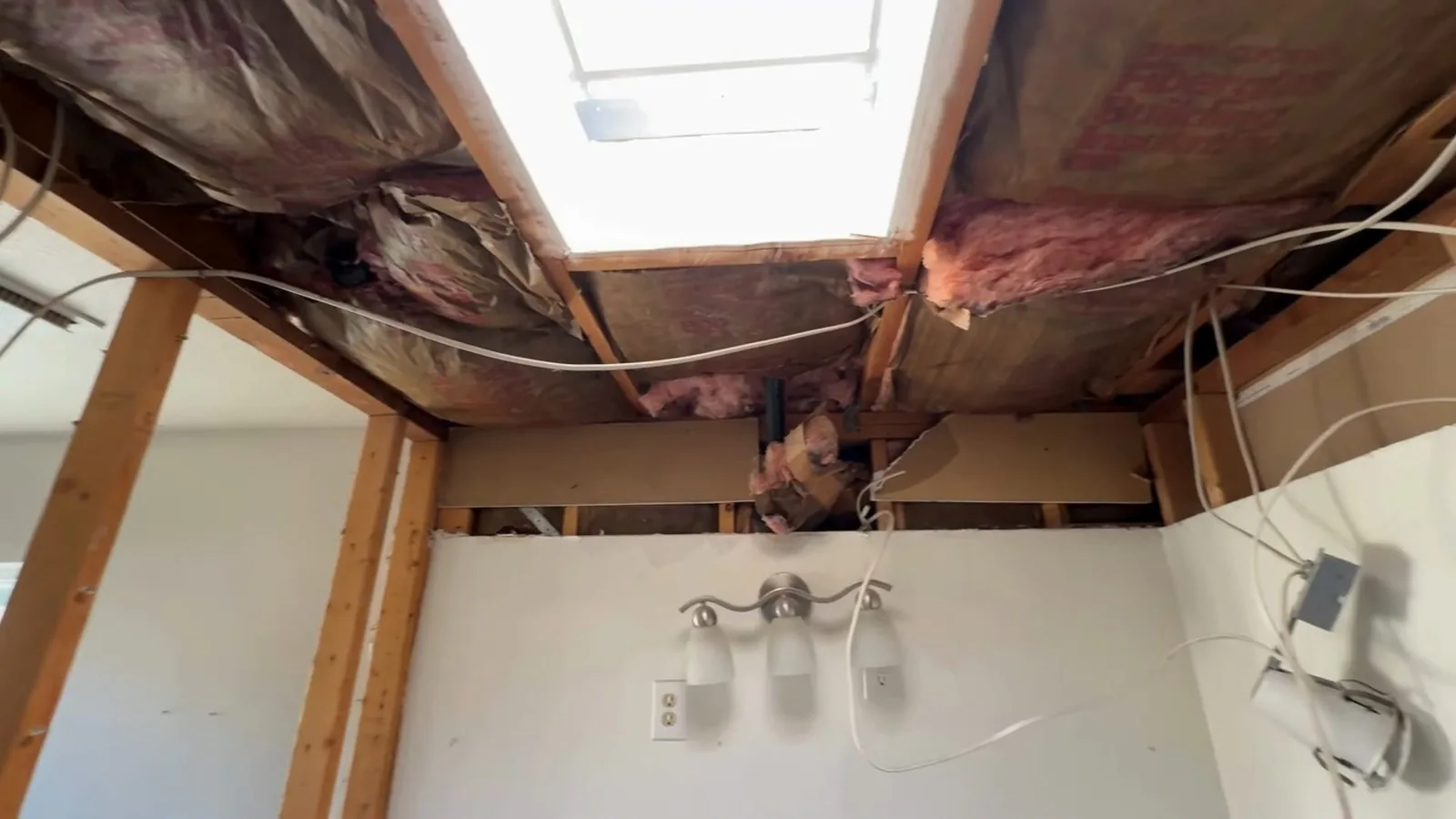
| Drywall on walls and ceilings | Sections that stayed wet or sagged are cut out; others dry in place | Wet drywall weakens and grows mold |
| Insulation | Wet batts are removed | They hold moisture against framing |
| Tile and concrete | Usually dried and cleaned | Hard surfaces tolerate water, but grout and subfloors behind them may not |
A drying crew uses moisture meters to find water you cannot see and decides where to open the structure. Fans and dehumidifiers then pull moisture from materials over several days, and readings are taken until the materials are dry. That equipment is the difference between a house that dries and one that merely looks dry.
Mold, sewage and the cases that change the plan
When mold is the worry
Mold can start in damp materials within a few days, which is why speed matters. A musty smell, discolored patches on drywall or damp materials after several days are warning signs. Testing and remediation are specialty services, and this page does not promise them. Ask the dispatcher whether a plumber's network includes drying and what its scope is.
When the water was sewage
Water from a sewer backup carries contamination, and absorbent materials it touched generally should be removed, not dried. Stay out of the water, keep children and pets away and stop using fixtures. Read plumbing for a sewage backup. Septic questions go to Mohave County Environmental Health, per the city's Utilities page.
Who does what after a leak
Three kinds of work usually follow a leak. A plumber finds and fixes the source. A drying crew extracts water, removes wet material and dries the structure. A contractor rebuilds what was removed: drywall, paint, flooring and trim. They can be three different companies, and each needs the previous step finished before it can do its job.
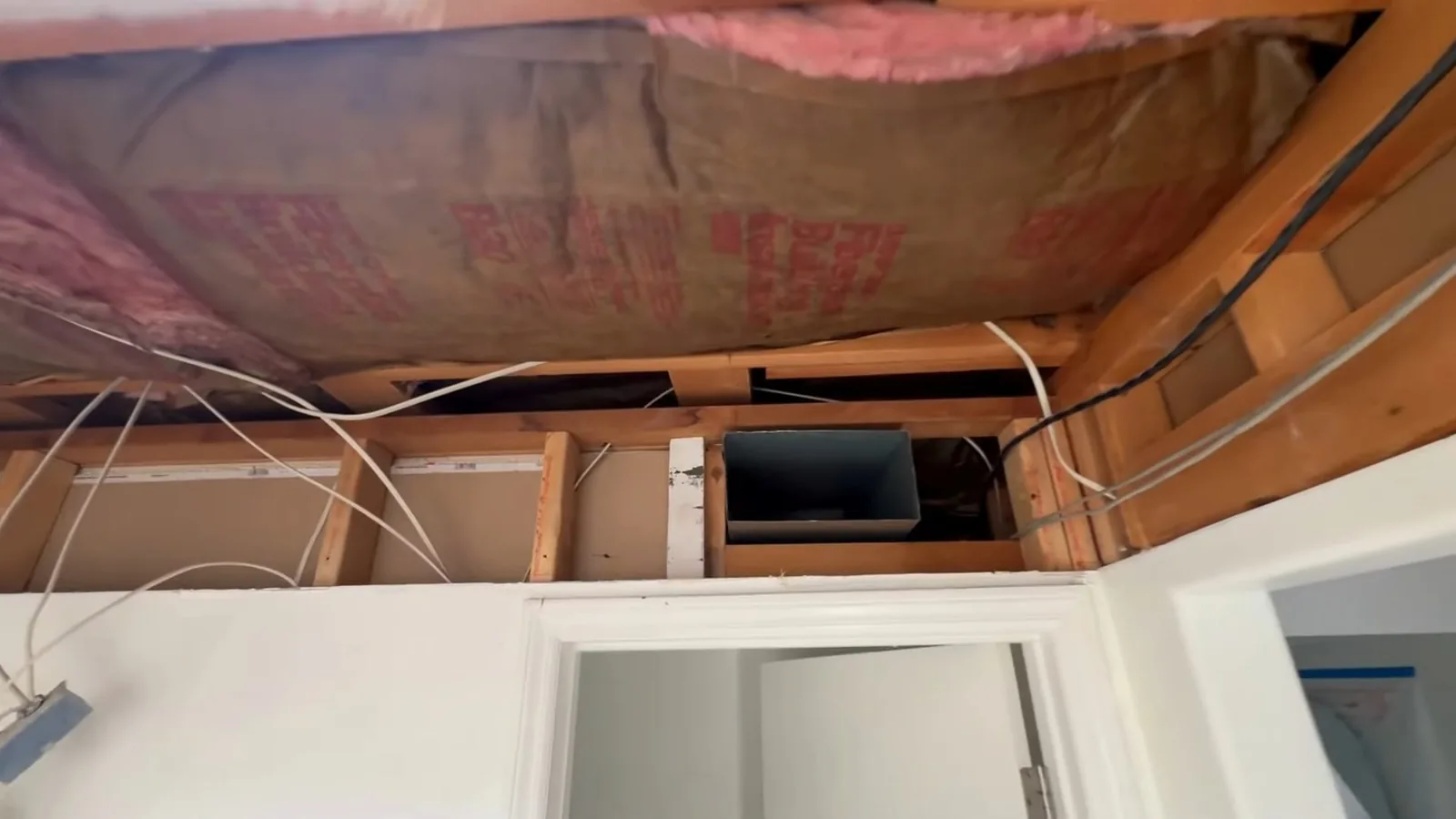
This site arranges the plumbing call, and the dispatcher can say whether drying services are available through the network for your address. It does not arrange the rebuild. Ask early about the order of work, and make sure the plumber's repair is complete and tested before walls are closed up, so nothing is sealed over a leak.
Homes here include many manufactured houses, about 29 percent of the total, where a leak can soak the floor system beneath the home and the insulation under it. In conventional houses built since the 1980s, water can travel inside wall cavities. Tell the dispatcher what type of home you have and where the water was.
Water damage questions
How soon should drying start?
As soon as the source is stopped and it is safe to enter. Materials that stay wet for several days are far more likely to need replacement, and mold risk rises with time. Ask for a drying assessment on the same call as the plumbing repair.
Can I dry everything myself with fans?
Fans help with a small, recent and clean spill. They do not reach moisture inside walls, under flooring or in insulation. If more than a small area is wet, or the water sat for more than a day, a moisture check is worth having done.
Does homeowners insurance cover this?
It depends on the policy and on how the damage happened, and this site cannot say. Document everything with photos and receipts, keep what was damaged until your insurer has seen it, and call them early to learn what they need and in what order.