
Name the problem before you pick the filter
A filter is not a general fix for water. Each type removes certain things and leaves others alone, so a filter chosen for taste will not necessarily deal with a mineral or a contaminant. Write down what you notice, whether it is a smell, a color, a taste, spots or a particular substance named in a report.
- Taste or smell. Often chlorine or organic compounds, handled by activated carbon.
- Cloudiness or grit. Sediment, handled by a sediment filter.
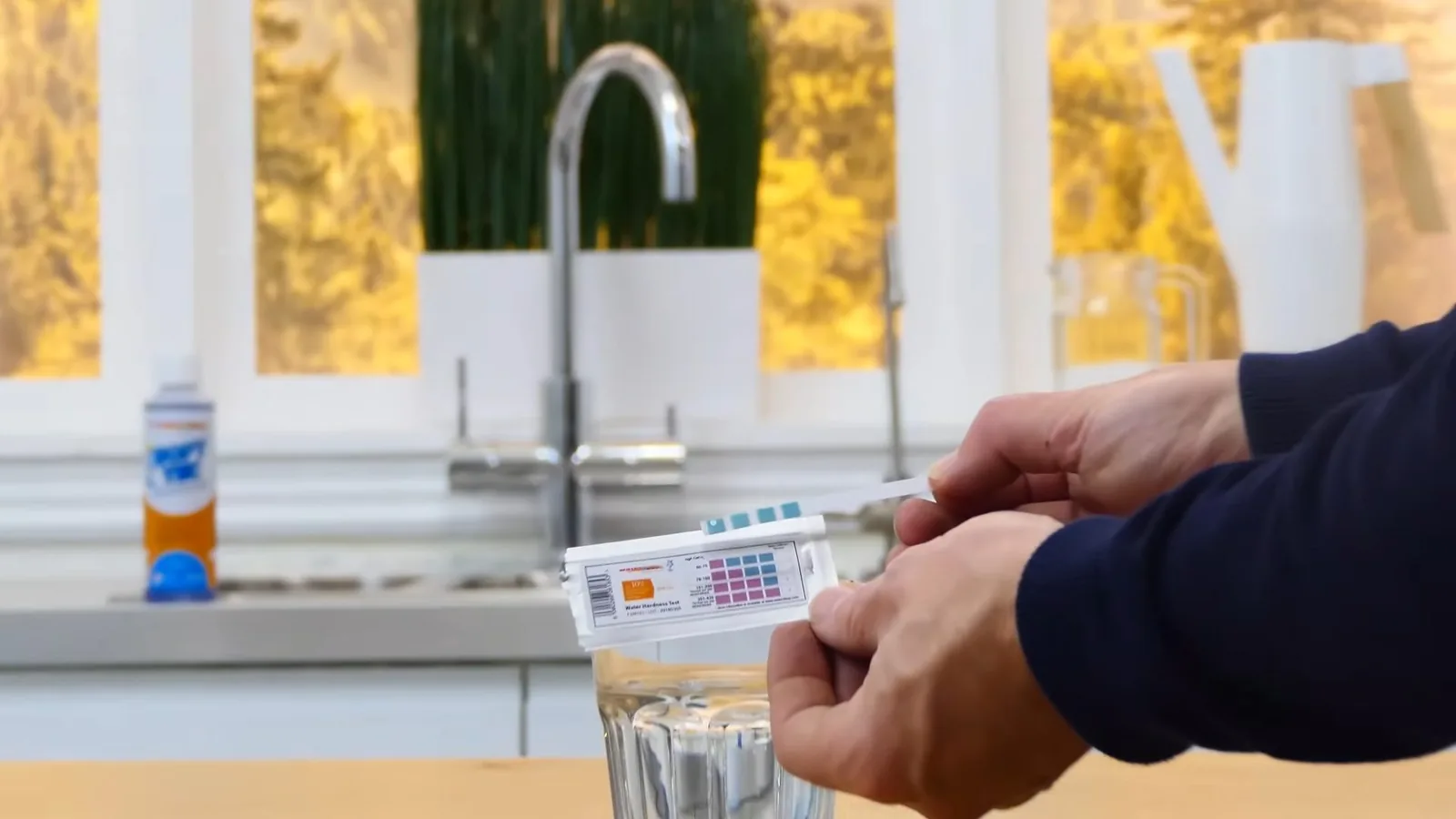
- Spots, crust and scale. Minerals, handled by softening and not by a standard filter.
- A named contaminant in a report. Needs a filter certified for that substance.
- Concern about the supply. Start with the utility's own report.
Read the utility's report first
Bullhead City Utilities publishes an annual water-quality report for each of its systems, named Mohave, Desert Foothills, Rio Vista Ranches and North Mohave Valley. All draw groundwater, and Bermuda Water Company serves some southern areas. Water differs from one system to another, so find the report for the one serving your address.
The reports list what was tested and what was found. They list sodium for the Mohave and Desert Foothills systems, at 230 and 91 parts per million in the 2025 reports, and they do not give a hardness figure. This page does not claim to know what else is in your tap water. If you are on a private well, the utility's report does not apply, and you should test.
Whole-home versus point-of-use: where each filter goes
| Type | Where it goes | What it suits |
|---|---|---|
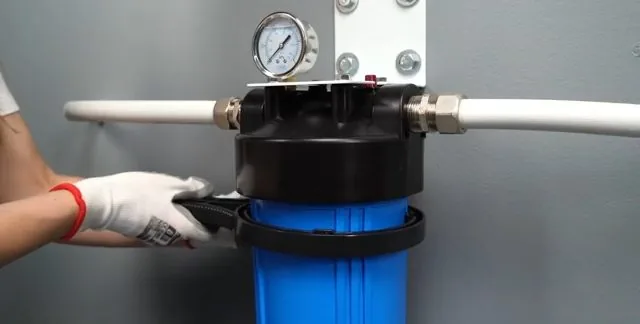
| Whole-home sediment or carbon | On the main line as it enters the house | Grit, chlorine taste and smell at every tap |
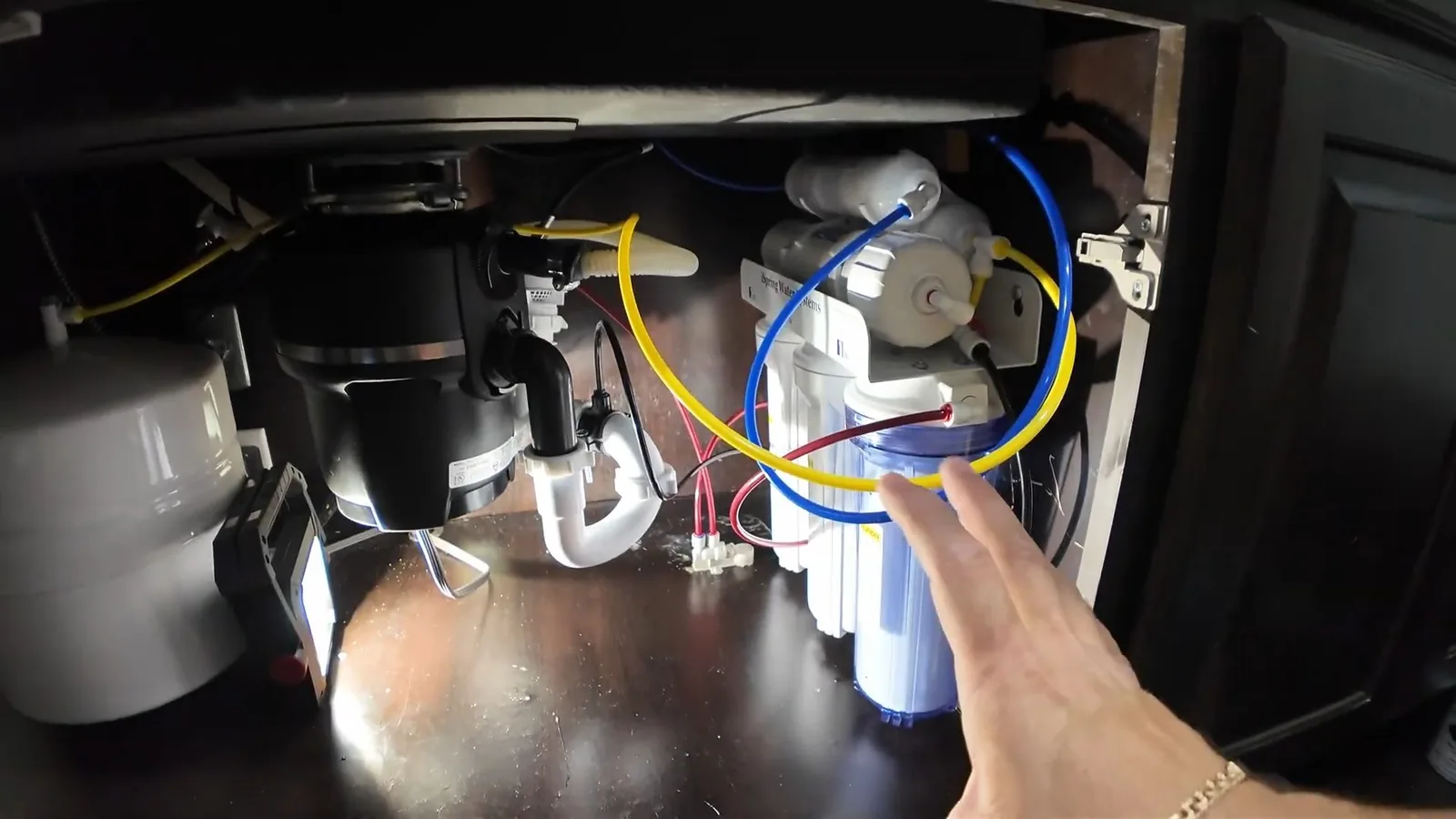
| Under-sink carbon or reverse osmosis | Beneath the kitchen sink with its own faucet | Drinking and cooking water |
| Faucet or pitcher filters | At a single tap or on the counter | A low-cost trial before a larger commitment |
| Softener (treats minerals, not contaminants) | On the main line | Scale, covered under softeners |
Most households need drinking-water treatment at one tap, not whole-home filtration. A whole-home system makes sense for sediment or for chlorine that bothers skin and clothes. An under-sink unit treats the water you drink and cook with at a fraction of the volume. Choosing the smaller option first is reasonable.
Filter types in plain terms
Sediment filters
These catch particles such as sand and rust flakes with a physical screen, and they are common as a first stage on whole-home systems. They protect fixtures and later filters from clogging. They do not change taste or remove dissolved substances, which pass through the screen.
Activated carbon
Carbon adsorbs chlorine and many compounds that cause taste and odor. It is the usual choice for improving the taste of tap water. It has a limited life and must be replaced on schedule, because an exhausted cartridge stops working and can release what it collected.
Reverse osmosis
A reverse osmosis unit pushes water through a membrane that blocks many dissolved substances, including a large share of the sodium. It makes a small amount of treated water, usually at its own tap, and it sends some water to the drain. It suits drinking water for someone watching sodium, though that is a question for a doctor.
Certification, maintenance and running costs
Look for a filter certified by an independent body to a standard that names the substance you want removed, for example NSF/ANSI standards for taste, or for specific contaminants. A package claim is not a certification. Ask the plumber what the unit is certified to do, and ask for the certification document.
Every filter needs replacement parts on a schedule, and the running cost over several years can exceed the purchase price. Ask what the replacement cartridges cost and how often they are needed, and whether they are easy to buy later. A system you cannot maintain is not worth installing.
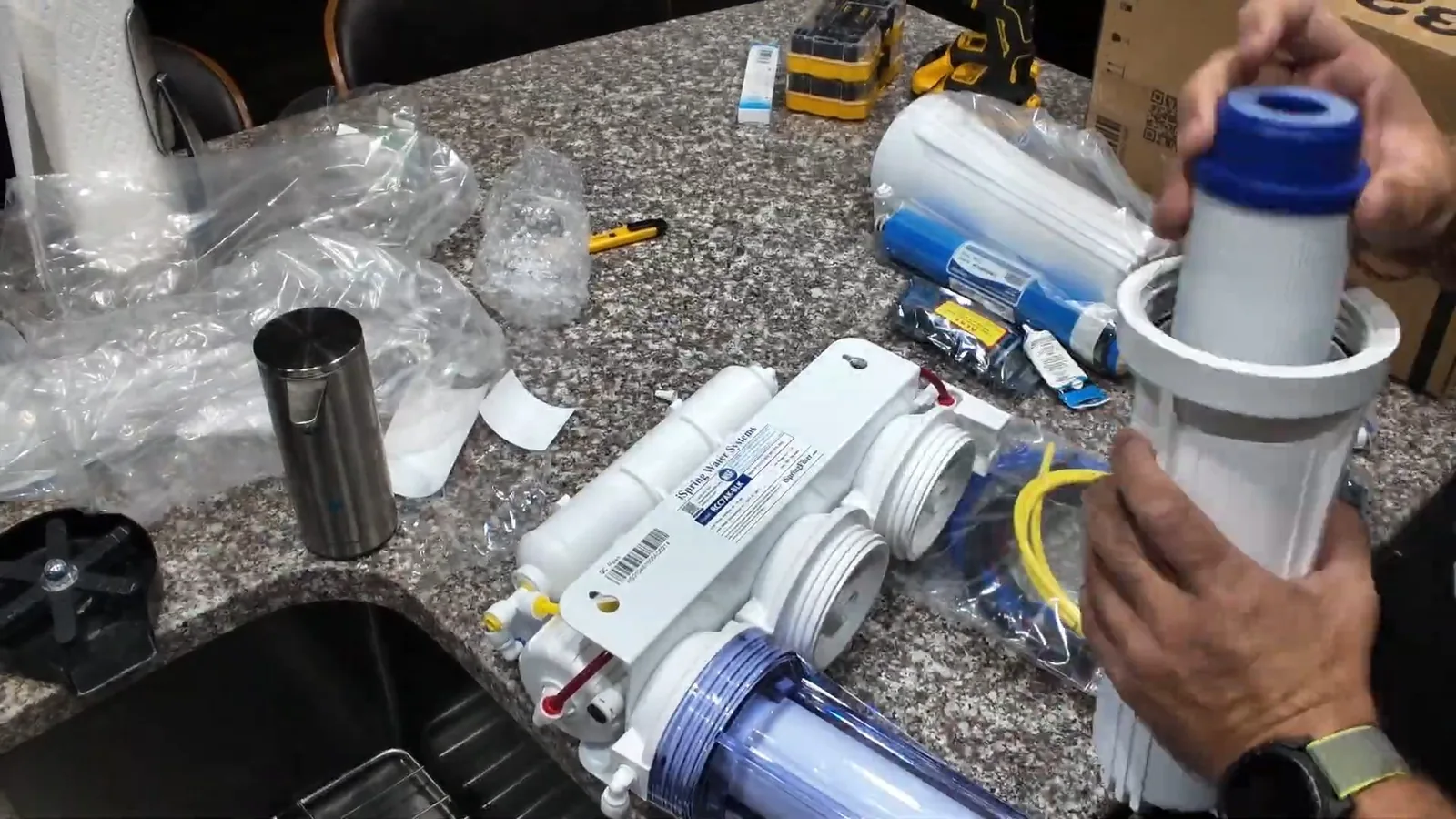
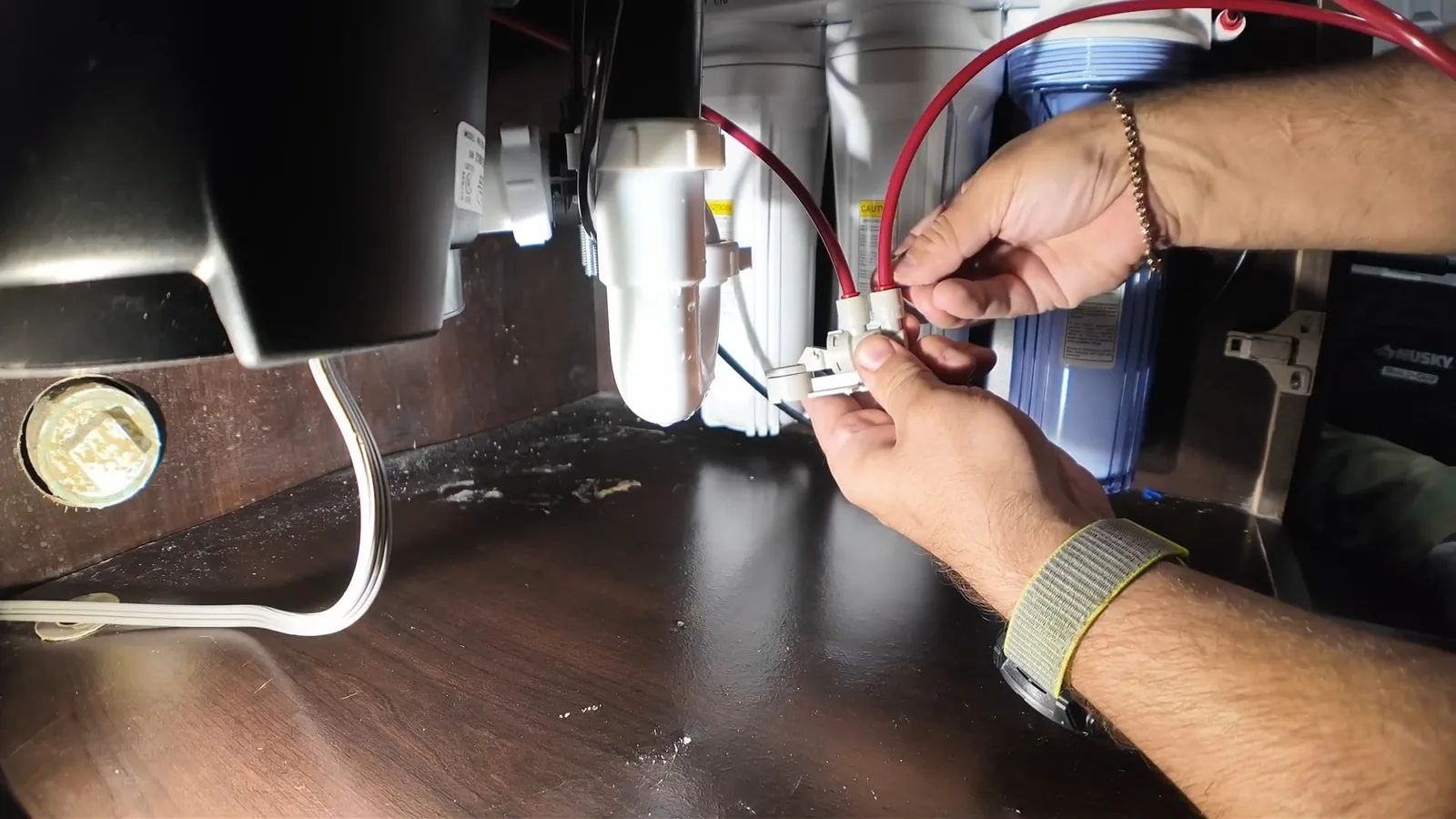
Installation touches the plumbing: a connection to the main line or a cold supply line, a drain connection for reverse osmosis and sometimes a new hole in the countertop. Leaks at these connections are a common problem, so check them after installation. If a leak appears, fixing the fixture or connection is a simple repair.
Filtration questions
Does a softener also filter water?
No. A softener removes the minerals that cause scale and does not filter contaminants. A filter removes particles or certain substances and does not remove hardness. Some homes use both, but each one should be chosen for a named reason.
Is the tap water here safe to drink?
The utility publishes annual water-quality reports for each of its systems, and that is the place to check what was tested and found. This site does not interpret them. If you have a specific concern about your water, ask Bullhead City Utilities at (928) 763-9400.
Do I need a whole-home system?
Usually not. Most people want better drinking and cooking water at one tap, which an under-sink unit handles on its own. Whole-home systems suit sediment or chlorine problems that affect every fixture in the house, so name the problem before you pay for one.