
Start with the two facts that decide who you call
The first fact is whether your home is on city sewer or on a septic system. The city runs the sewer and has replaced septic with sewer in several areas, including Arroyo Vista, Buena Vista, Tierra Grande, Desert Glen, Lake Mohave Highlands and Sunridge. Bullhead City Utilities can tell you what serves your address at (928) 763-9400.
The second fact is how many fixtures are affected. One slow drain is usually a local blockage. Several fixtures backing up together, a floor drain that gurgles or sewage in the lowest tub or shower points to the main line. Septic questions go to Mohave County Environmental Health, which the city lists as its contact.
Blocked line or broken line: why the camera matters
A blockage and a broken pipe feel the same from inside the house, and they need different fixes. A blockage is cleared. A crack, a collapsed section, a joint that has separated or a pipe that has sagged and holds water must be repaired or replaced, and clearing it again only buys a short break.
| What the camera shows | What it means | Usual next step |
|---|---|---|
| Grease, paper or debris | A blockage in an otherwise sound pipe | Clearing, and often jetting to scour the wall |
| Roots entering at a joint | A joint that let roots in | Cut the roots and decide on repair or lining |
| A belly or sag holding water | Pipe that has settled | Section replacement |
| A crack or a separated joint | Structural damage | Repair, lining or replacement |
| A clean, intact pipe | The problem is elsewhere | Check the fixture trap, vent or the connection to the main |
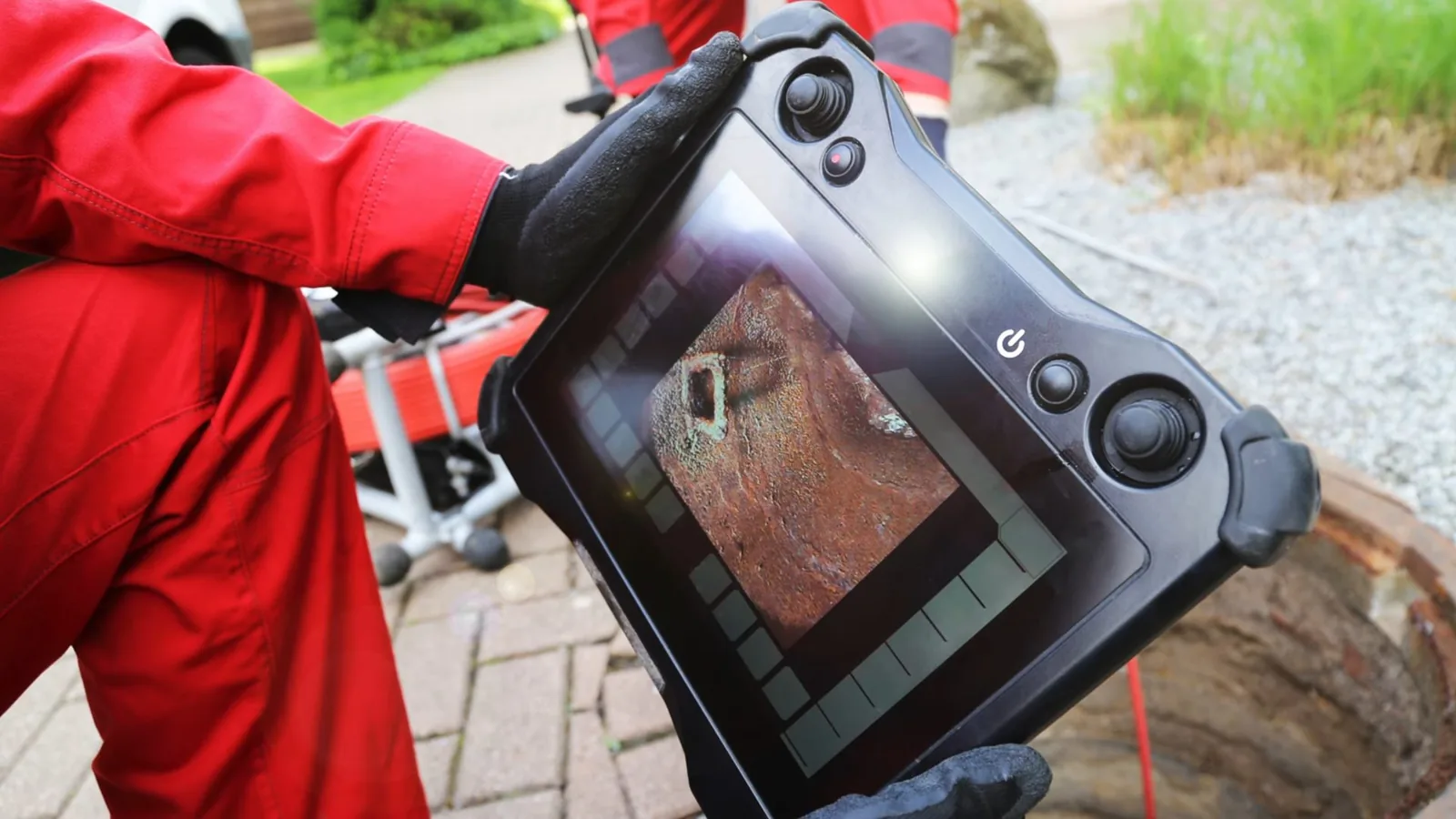
Ask the plumber to show you the footage and to mark the distance and the location on the line. A repair you cannot see is a repair you cannot judge. Ask for a copy of the recording if you may need it later, and ask what the plumber would do and why before agreeing to dig.
Four ways to deal with a failing sewer line
Clearing the line
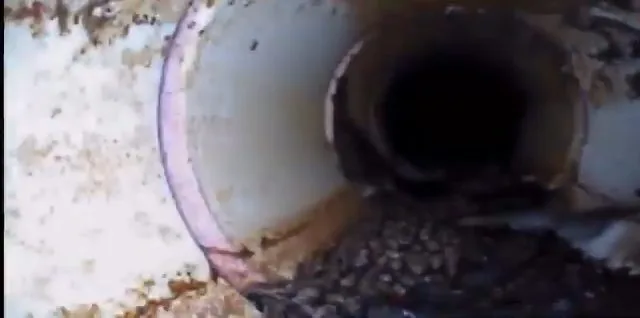
Cables and jetting machines clear blockages and scrape roots and grease from the pipe wall. It suits a line that is structurally sound. If the same blockage returns, the cause is usually a defect in the pipe, which a camera will find. Heavy buildup is where high-pressure jetting is the method to ask about.
Spot repair
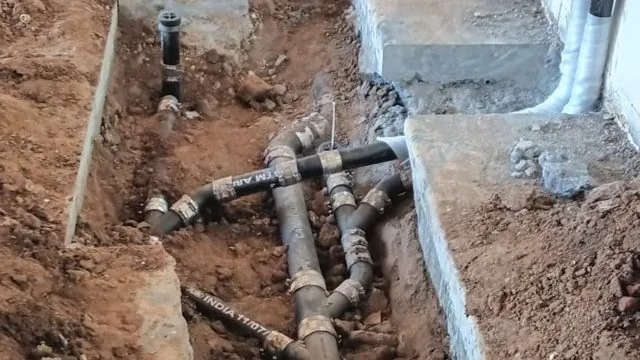
A damaged section is dug up, cut out and replaced. It suits a single failure in an otherwise good pipe, and it means a trench at the location, so the yard, driveway or floor above it is disturbed. An Arizona 811 ticket is required before any digging, at least two working days ahead.
Lining the pipe
A resin-saturated liner is pulled into the old pipe and cured to form a new pipe inside it. It avoids a long trench and suits pipes with cracks or root intrusion where the pipe is still round enough. The method has its own page on trenchless pipe lining.
Replacing the line
When the pipe has collapsed, sags in several places or has failed throughout, replacement is the sound choice. It is the most disruptive and often the most permanent, and a written scope should say what will be dug, what will be restored and who is responsible for the surface afterward.
Who owns which part of the line
The city's published pages say how the sewer districts work and that the city runs the system. They do not say who owns the lateral, the pipe between the house and the main. This page does not guess. Before paying to repair a line, ask Bullhead City Utilities at (928) 763-9400 where its responsibility ends for your address.
That call can save a great deal of money if the section that has failed is the city's. It is also worth asking whether the utility keeps records of the line, such as its depth and the location of the connection to the main. The plumber should use that information when planning the work and the camera run.
Permits, notice and sewage in the house
Clearing a stoppage is on the city's list of work exempt from permits. Replacing a concealed pipe with new material is treated as new work and needs one, and the rules for lining may differ, so ask the plumber and confirm with the Building Division at (928) 763-0124. Digging also requires the Arizona 811 notice before the trench is opened.
If sewage has already come into the house, stop using water and keep people and pets away from the affected area. Contaminated water on floors and in materials is a separate cleanup job, covered under water damage removal and drying. Do not use chemical drain cleaners in a backed-up line, since they make the water hazardous.
Many homes here are manufactured homes, about 29 percent by the Census survey, where the drain runs beneath the home and not through a slab. The median home overall was built in 1991. Tell the dispatcher what you have so the plumber arrives knowing how the line is likely to run and how it will be reached.
Sewer line questions
How do I know if the problem is the main line?
If more than one fixture is slow or backing up, if a floor drain gurgles or if sewage appears in the lowest fixture, the main line is the likely cause. A single slow fixture points to a local blockage, which the drain cleaning page covers.
Is a sewer camera inspection worth it?
Before an expensive repair, yes. It shows whether the problem is a blockage or damage, where it is and how long the damaged section is. It also gives you something to show a second plumber or the utility if you want another opinion.
Can I use a chemical cleaner on a backed-up sewer line?
No. It will not clear a main-line blockage, and it leaves the water standing in the line hazardous for whoever opens it next. Stop using water in the house and call for a plumber, or for the utility if you think the problem is on its side.