
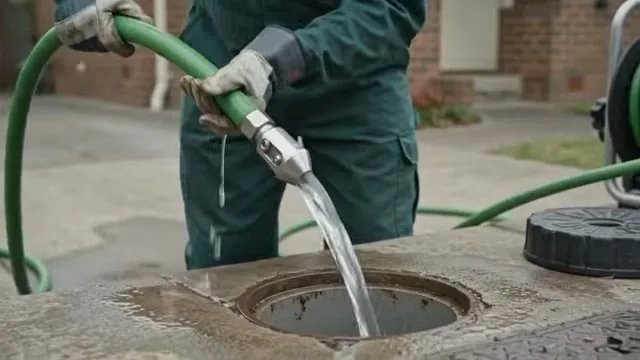
Drain cable or hydro jet: how the two differ
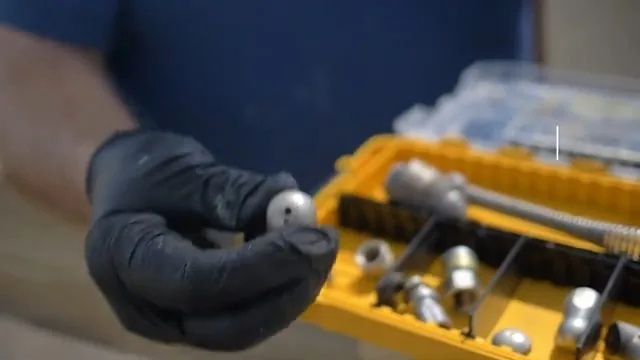
A drain cable, also called a snake, is a rotating metal line with a cutting head. It bores through a blockage and restores flow, which is enough for a hair clog or a stuck item. It does not clean the pipe wall, so grease, scale and soap film stay in place and the line narrows again.
Hydro jetting sends water at high pressure through a nozzle that pushes it forward and backward at once. The spray scours the whole inside of the pipe, washing grease and debris down the line and out. It reaches the buildup a cable leaves behind, which is why it suits repeat clogs.
| Situation | Cable | Jetting |
|---|---|---|
| Single hair clog in a sink or tub | Usually enough | Not needed |
| Clog returns every few weeks | Clears, then it comes back | Worth asking about |
| Heavy grease in a kitchen line | Punches a hole through it | Scours the pipe wall |
| Roots in a clay or old line | Cuts roots | Can cut and flush, if the pipe is sound |
| Broken or collapsed pipe | Will not help | Will not help and can do harm |
Why a camera comes before the jet
High-pressure water in a cracked or separated pipe can make the damage worse and push water into the ground around it. A plumber should run a camera first to confirm the pipe is sound enough to take the pressure. If the camera shows damage, the answer is a repair, covered under sewer line repair.
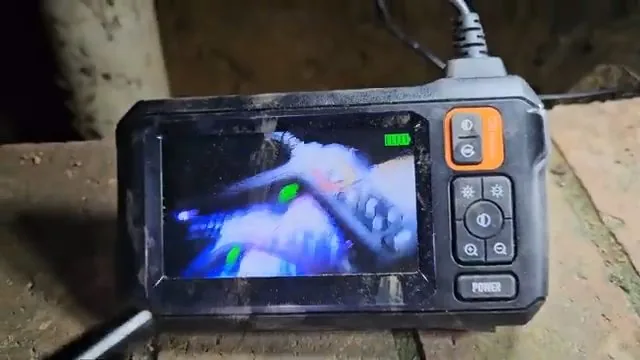
Ask to see the footage before and after the jet. The before view shows the buildup, and the after view shows whether the pipe wall is actually clean. A plumber who jets without looking first, or who cannot show the result, is asking you to trust a result you cannot check.
Where jetting helps most
Kitchen lines with grease
Cooking grease cools on the pipe wall and builds into a layer that narrows the line. Jetting is the method that removes it. It does not stop grease going down the drain again, so the habits at the sink decide how long the result lasts, a point the drain cleaning page explains.
Long or main lines with scale and sludge
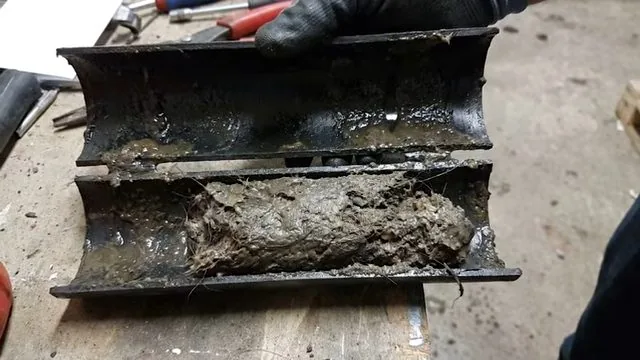
Main drain lines can carry years of buildup that a cable cannot touch. Jetting covers long distances and cleans the full circumference. It is often used before a lining job, because the pipe has to be clean for the liner to bond, as described on the trenchless lining page.
Roots at joints
Roots enter where a joint has opened and can fill a pipe. A jet with a cutting nozzle clears roots from a sound pipe, but it does not close the joint they came through. Without a repair, they return. That is a point to raise with the plumber when roots are found.
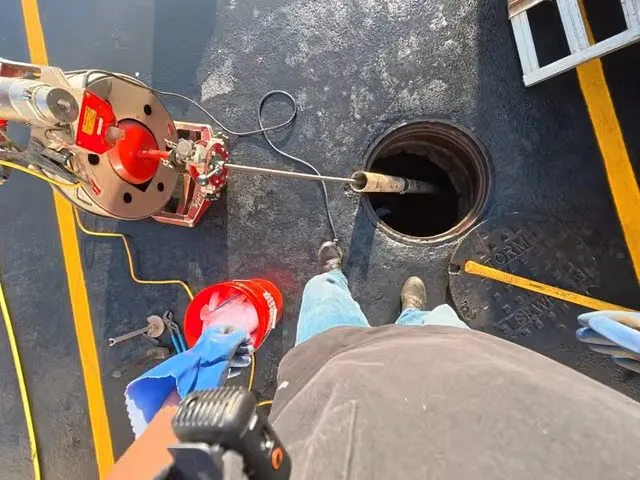
What jetting does not do
- It does not repair a crack, a belly or a separated joint.
- It is not the right tool for a small, single-fixture clog.
- It does not prevent the buildup from returning if the habits that caused it continue.
- It is not suited to every pipe, so a camera check comes first.
- It is a specialist service, and availability depends on the plumber who takes your call.
Jetting is also not a first answer for every slow drain. Many clogs clear with a cable and a plunger. Ask the plumber why they recommend it for your line, and what they expect to see on the camera. A sound reason sounds like a repeat clog, a heavy buildup or a long main line.
Sewer, septic and commercial lines
Check whether your home is on city sewer or on a septic system before jetting. Bullhead City Utilities can tell you at (928) 763-9400, and Mohave County Environmental Health is the city's contact for septic. Jetting is for sewer lines, and a septic system has different needs. Clearing stoppages is on the city's list of work exempt from permits.
Commercial grease lines at a restaurant are a separate kind of job. This site is set up for homes, so say at the start of the call if the line belongs to a business, and the dispatcher will tell you whether a plumber can take it. About 29 percent of local homes are manufactured homes, and the line there is a shorter and different run.
Hydro jetting questions
Is hydro jetting safe for old pipes?
It depends on the pipe's condition. A sound pipe takes the pressure well, and a cracked or thin one can be damaged. That is why a camera inspection comes first and why the plumber should be willing to show you what they saw.
How often should a line be jetted?
There is no fixed schedule. A line that has been cleaned and is used sensibly may not need it again for years. A line that fills with grease again within months needs a change in what goes down it, and may need a periodic service.
Will jetting fix a smell from my drain?
Sometimes. Odors come from buildup on the pipe wall, a dry trap that has lost its water seal or a problem in the vent. Jetting removes buildup, and the plumber should check the trap and the vent as well if the smell returns afterward.