
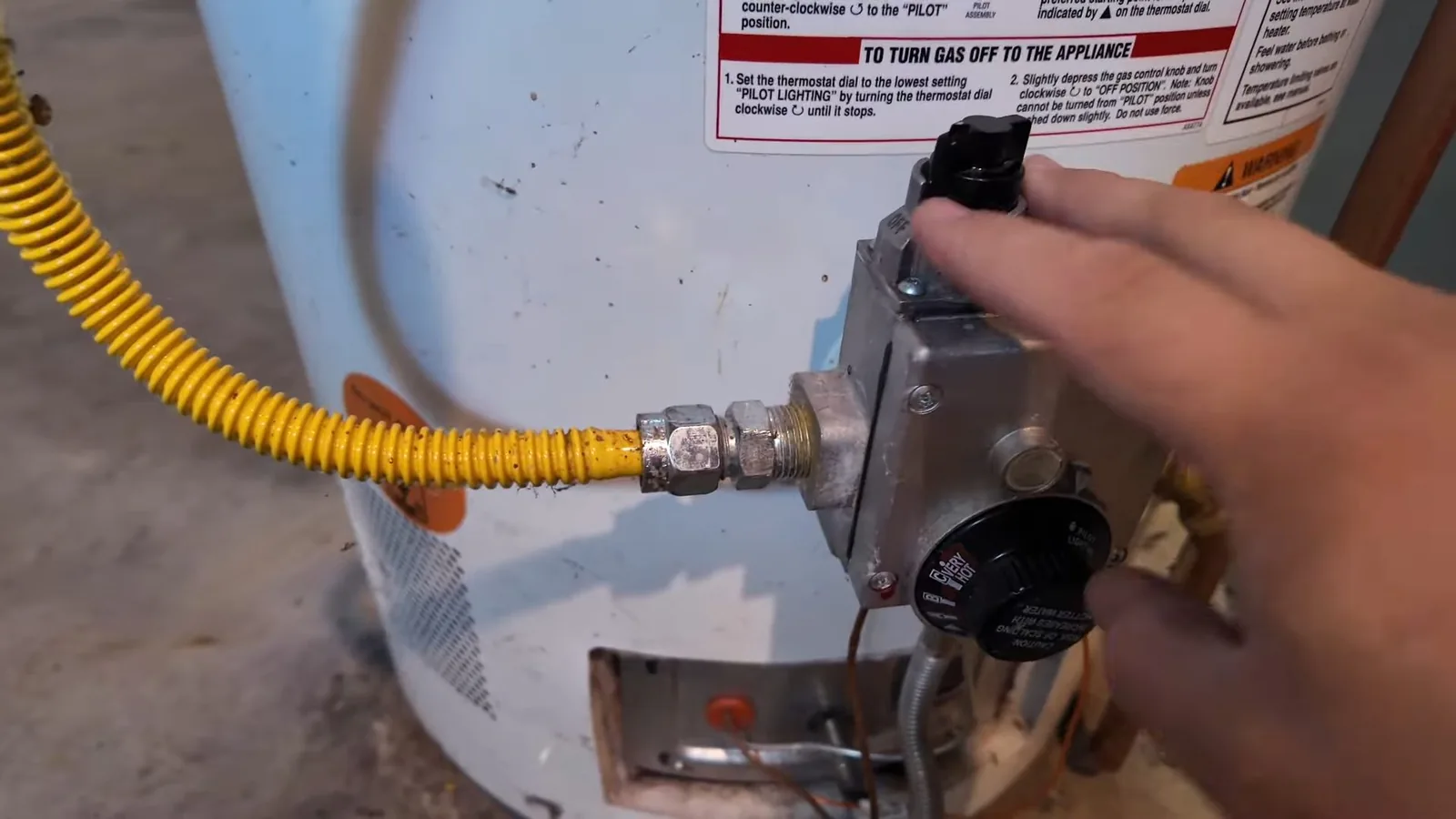
If you smell gas: leave, then call
- Leave the house now with everyone in it, including pets, and go well away from it.
- Do not switch lights or appliances on or off, do not use the doorbell or a lighter and do not start a car in an attached garage.
- Call 911 from outside, then call Southwest Gas at (928) 763-7467, the number on the city's list of outside agencies.
- Do not go back in until the utility or the fire department says it is safe.
Do not try to find the leak yourself, and do not call a plumber first. Gas utilities and the fire department have the equipment to check the air safely and to shut off the supply at the meter. A plumber can repair piping on the house side after the area has been made safe and the gas is off.
The utility's line and the house's line
Gas piping has two sides. In general the utility handles its service line and meter, and the property owner is responsible for piping past the meter, though Southwest Gas can confirm the split for your address. The utility deals with the first part. For the second, the repair, a new connection or a leak found on the house side is work for a plumber, usually under a permit.
The utility can tell you where its responsibility ends for your address, and the point is worth asking about before you pay for work. If you hear or smell gas at the meter itself, that is the utility's call to make, and the first step is still to leave, not to investigate.
What counts as gas line work
- Repairing or replacing a leaking pipe or fitting between the meter and an appliance.
- Connecting a range, dryer, water heater or fireplace to a gas line.
- Extending a line to a new appliance, a patio or an outdoor kitchen.
- Replacing a flexible connector or shutoff valve at an appliance.
- Testing the line after any change, to confirm it holds.
Leak detection on gas lines is a pressure test and instrument work, not a nose test. A plumber tests the line, finds the failing joint and repairs it. The general diagnosis step is covered on the leak detection page, which treats gas as a separate case with its own emergency steps.
Permits and inspection for gas piping
Gas piping is not on the city's list of work exempt from permits, and the city says to assume a permit is required for anything not listed. Bullhead City uses the 2018 International Fuel Gas Code. Ask the plumber who pulls the permit, when the inspection happens and what is tested. The Building Division is at (928) 763-0124.
Do not skip this step to save time. An inspection is the independent check that a new or repaired line holds pressure and is connected correctly. It also matters later, since a record of permitted work helps when you sell the home or make a claim. A plumber who suggests skipping it deserves more questions, not fewer.
Appliance connections: what to ask
A water heater, range or dryer needs the right connector, shutoff valve and venting for the appliance. A plumber should check the connection type, confirm that the shutoff is accessible, test for leaks and make sure exhaust from a gas appliance is vented properly. The vent is as important as the gas side.
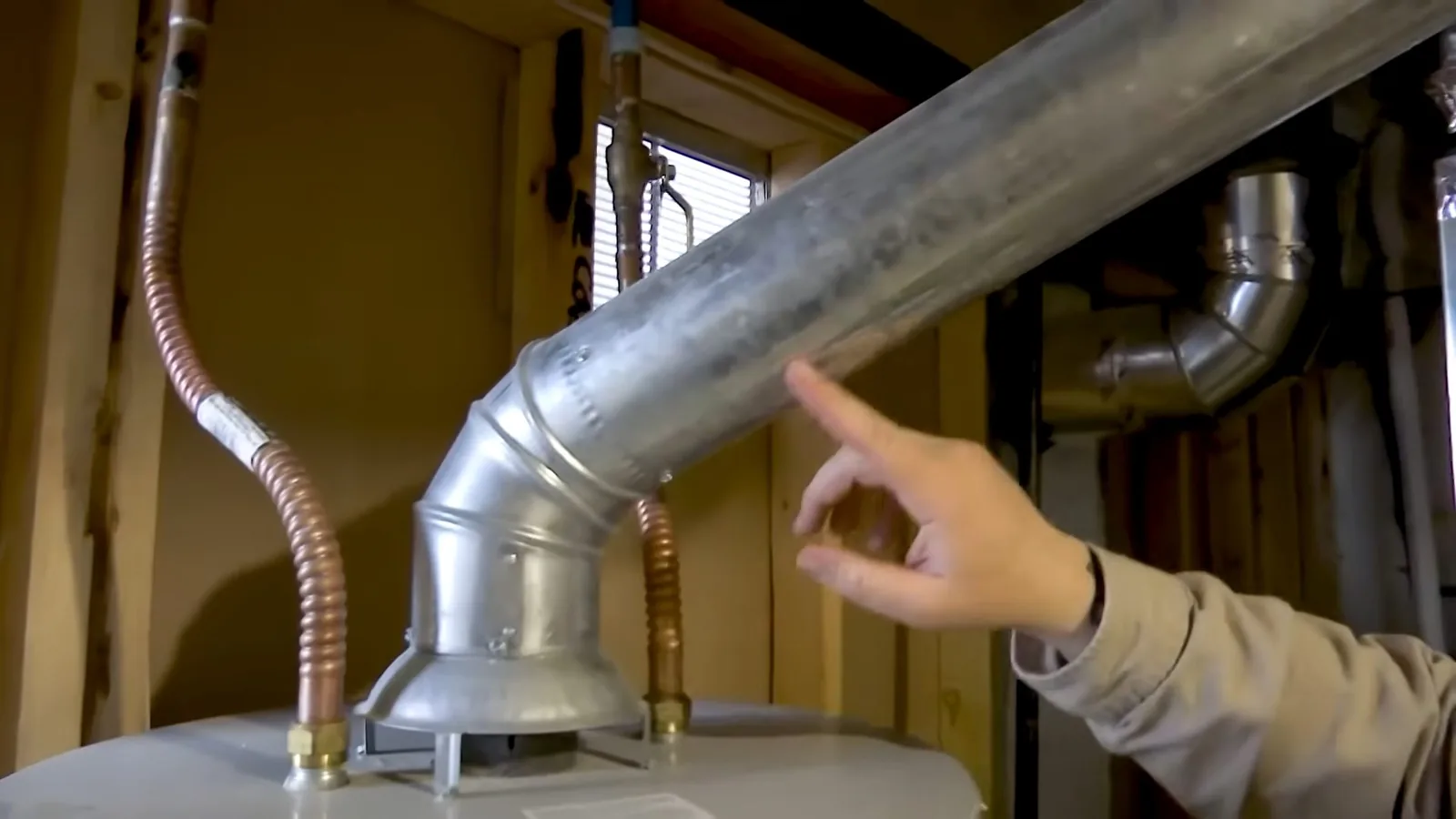
If a gas water heater has failed, water heater repair covers what can and cannot be fixed. If you are replacing one, the choices are on the page for water heater installation and replacement. Both involve gas piping, and both raise the permit question that applies to the rest of the gas line.
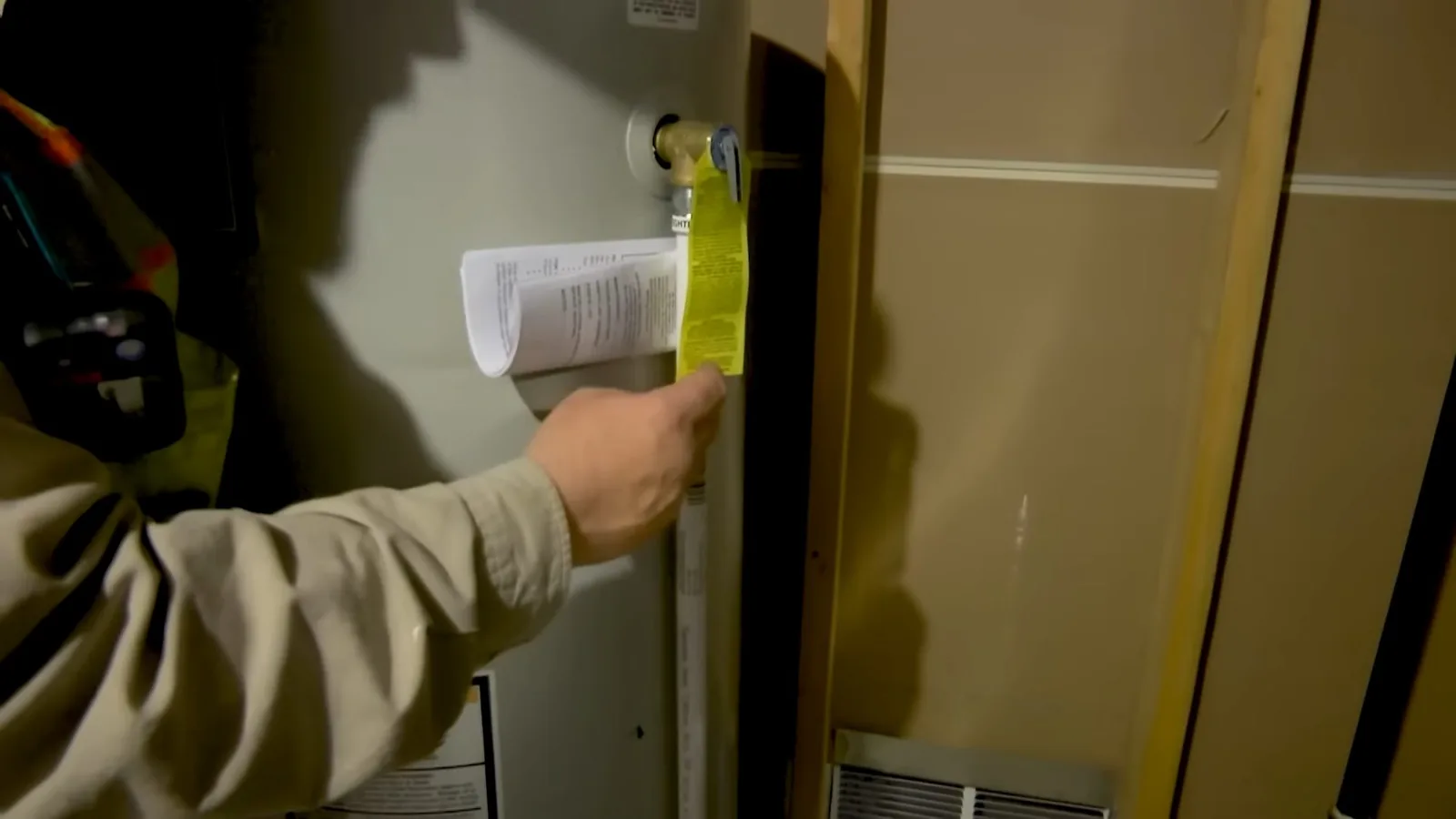
Homes here range from manufactured housing to houses from the 1980s and 1990s. The median was built in 1991, so flexible connectors and shutoffs at appliances may be as old as the house. Replacing worn connectors during any appliance work is an inexpensive way to remove a common failure point. Ask the plumber to look at them.
Gas line questions
What does a gas leak smell like?
Utility gas is treated with an additive that smells like rotten eggs or sulfur so that leaks are easy to notice. A faint odor near an appliance can be a pilot out, but any strong or persistent smell should be treated as a leak.
Can I use a gas appliance if I am not sure about the smell?
No. If you are unsure, do not operate it. Leave the house, call 911 and the gas utility, and let them tell you when it is safe. A false alarm costs a phone call, and the alternative can cost far more.
Who shuts off the gas to the house?
The utility's meter has a shutoff valve, and the utility or fire department can use it. Each appliance also has its own shutoff, which a plumber can close for a repair. Do not force a stuck valve or use tools that can spark.