
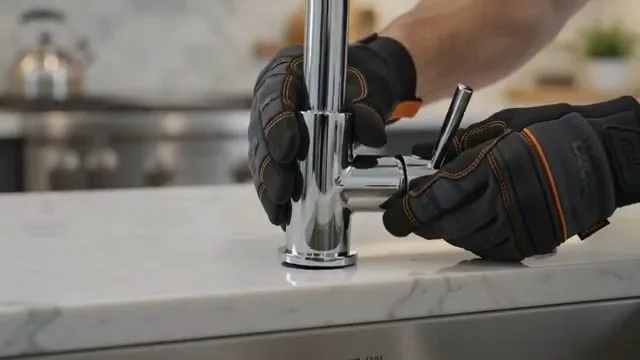
Find where the water is really coming from
Most people see the puddle and blame the faucet. Often the faucet is fine and the water is coming from a supply line, a drain connection or a cracked sink. Dry the area, lay a dry paper towel on each connection, and check again in a few minutes to see which one gets wet.
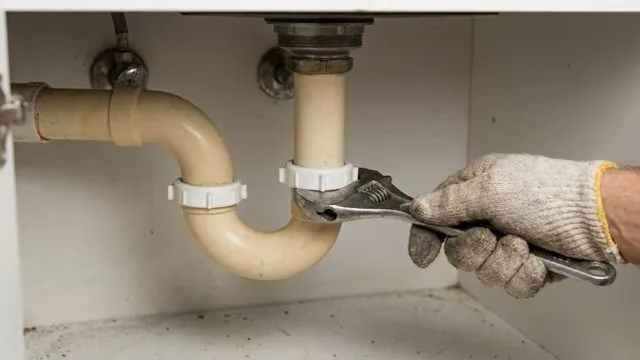
| Where it is wet | Usual cause | First move |
|---|---|---|
| Drip from the spout | Worn cartridge, washer or seat | Close the fixture's shutoff valve if it wastes water |
| Wet around the faucet base | Worn seals or a loose mounting | Dry it and watch whether it returns |
| Wet cabinet floor, drip on pipes | Supply line or shutoff valve connection | Close the shutoff valve under the sink |
| Wet under the drain, only when water runs | Drain or trap connection | Stop using the sink and place a bucket under it |
| Wet only when the dishwasher or disposal runs | That appliance's hose or connection | See the garbage disposal page |
The shutoff valve under the sink is your fastest fix
Every sink and toilet should have its own shutoff valve, called a stop or angle stop, a small oval or round handle on the pipe coming out of the wall or floor. Turning it clockwise closes that fixture only. It lets you stop the leak now and wait for a plumber without shutting the whole house down.
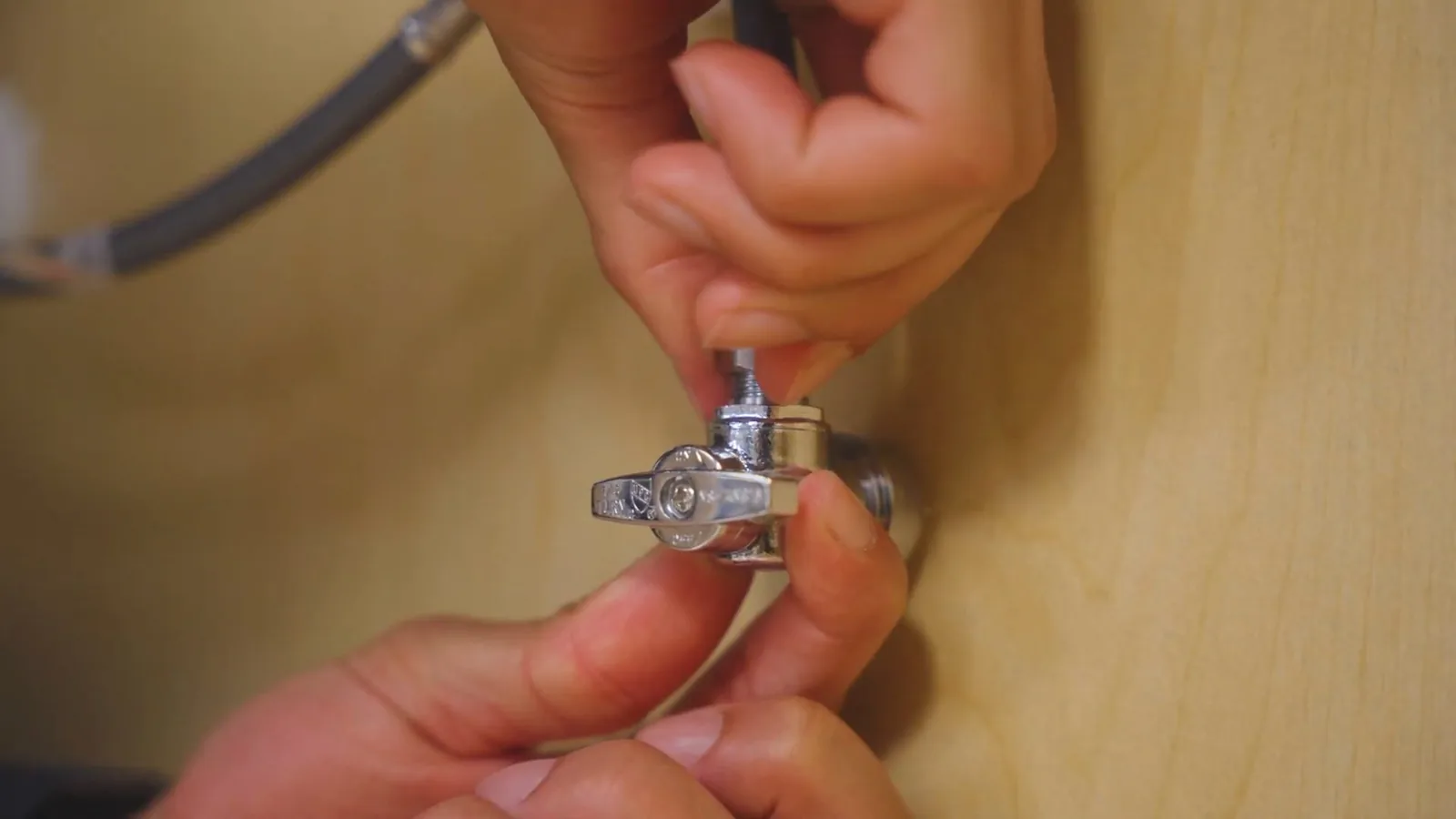
Older valves can be stuck or can start to leak when moved, so turn them gently. If one will not turn, or drips from the handle when you do, do not force it. Close the main valve instead and mention the stuck valve on the call. Replacing a worn shutoff valve is a normal part of a faucet visit.
Repair or replace the faucet
When repair is the sensible answer
A drip from the spout is usually a worn cartridge, washer or valve seat, and many faucets accept replacement parts. If the faucet is otherwise in good shape and the parts are available, repair keeps the fixture you have chosen and costs less than a new one.
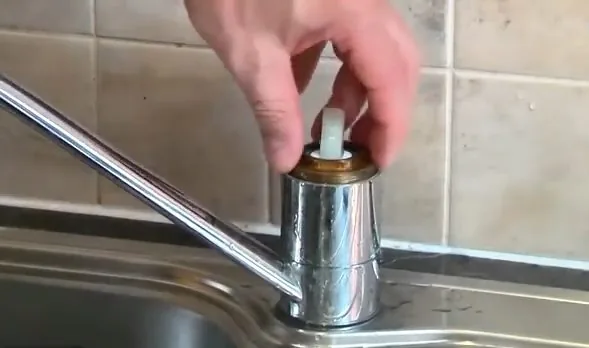
When replacement makes more sense
Replace when parts are no longer made, when the finish is flaking or corroded, when the body itself is cracked or when you were thinking of upgrading anyway. The median home here was built in 1991, so original fixtures are now past thirty years old and a repair on one may not last.
Ask the plumber to price both and to say which fixture they would put in. Our wide cost ranges are wide on purpose and are not quotes. Installing a new sink or faucet is part of the same visit, and if you are working through a whole room, bathroom plumbing covers vanities, toilets and showers together.
Shower valves, tub spouts and the water behind the wall
A shower that drips after shutoff, a tub spout that leaks or a handle that is stiff or sprays out the side points to the valve inside the wall. Fixing it can mean replacing a cartridge through the trim, which is a modest job, or opening the wall to reach a failed valve body, which is not.
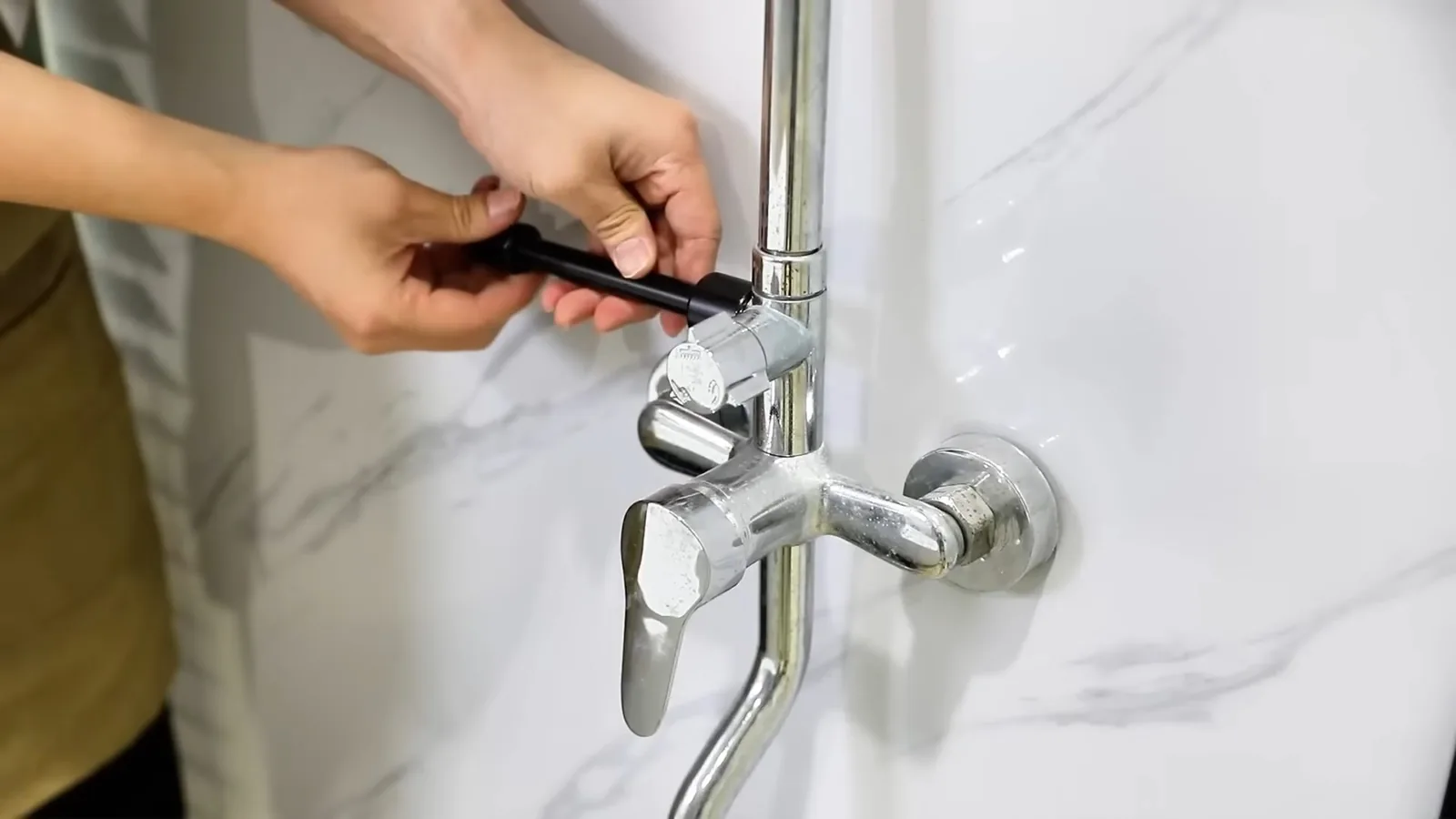
Stains on the ceiling below a bathroom, a soft floor beside the tub or a musty smell in a closet next to a shower are signs that water has been leaking inside the wall for some time. At that point it is no longer a fixture repair. A plumber can locate the leak without tearing out the whole wall using water leak detection.
Outdoor hose bibs and yard faucets
A hose bib that drips at the handle, or sprays behind the handle when a hose is attached, usually needs a new packing or washer. A leak where the pipe meets the wall can soak the siding or the wall cavity without any water showing outside.
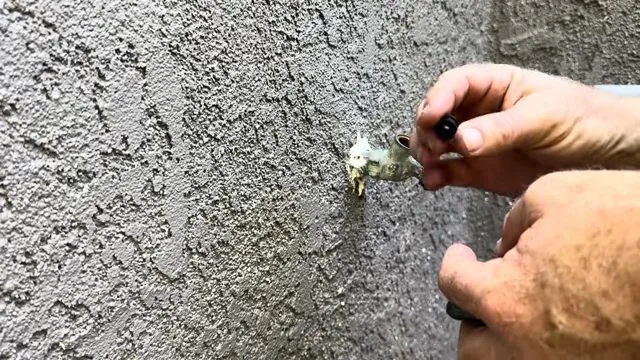
Freezing is not the main risk in Bullhead City, with about two nights a year below 32 degrees (NOAA 1991 to 2020 normals). Summer heat is, since July highs average about 111 degrees and sun beats on exposed pipe and rubber hoses. Take hoses off between uses, and check for dampness at the wall after a hot stretch.
Spots, scale and low flow at the faucet
White crust on a faucet and a weak stream from the aerator are common where water carries dissolved minerals. Unscrewing the aerator and soaking it in vinegar often restores flow. Bullhead City Utilities publishes sodium in its water-quality reports but no hardness figure, so ask the utility at (928) 763-9400 before assuming how hard your water is.
If you decide you want treatment, the page on treating mineral scale at the source is the one to read next. A softener is a much larger decision than a faucet repair, and it is worth making with a measured hardness number in hand and not a guess.
Permits and what to ask on the visit
Repairing leaks in pipes, valves and fixtures is on the city's list of work exempt from permits, so a straightforward faucet or valve repair generally does not need one. Replacing concealed pipe with new material is treated as new work and does. If the repair grows into opening walls and replacing sections, ask the plumber whether a permit applies. The Building Division is at (928) 763-0124.
Ask what was wrong, which parts were replaced and whether anything else nearby looked worn. If repeated leaks across the house point to aging pipe in general, whole-house repiping is the larger fix to understand, and not one to decide on after a single dripping faucet.
Faucet and sink questions
Is a slow drip worth fixing?
Yes, it is worth fixing. A drip wastes water continuously, wears the valve seat further the longer it runs and can stain the sink. It is usually a simple repair when caught early, and a more involved one once the seat has been cut by the flow.
Can I replace a faucet myself?
Many people do. The difficult parts are corroded shutoff valves, an old faucet that has seized in place and tight access under the sink. If the valves will not turn fully or the supply lines are old and brittle, a plumber is the safer choice, because a failed valve floods the cabinet.
Why does my faucet drip only when the hot water is on?
A worn cartridge or valve seat on the hot side is the usual cause. Hot water also speeds up wear on rubber parts such as washers and seals, so the hot side tends to fail before the cold one. A plumber can usually confirm the part and replace it on the same visit.