
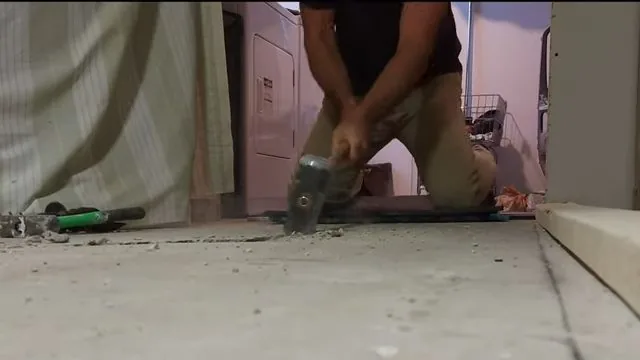
Signs that the leak is under the slab
- A warm or hot spot on the floor. A leaking hot water line heats the concrete above it.
- The sound of water running when every fixture is off, sometimes loudest with an ear near the floor.
- A meter that moves with the whole house off and the main valve at the house closed, then stops when the line is isolated.
- Damp carpet, lifting tile or wet baseboards with no fixture nearby.
- Falling hot water pressure or a hot water heater that seems to run constantly.
No single sign proves a slab leak. A warm spot can be a heater, a wet baseboard can be a plant, and a bill can climb for other reasons. The pattern matters, and the meter test on the leak detection page is the quickest way to confirm that water is moving when it should not be.
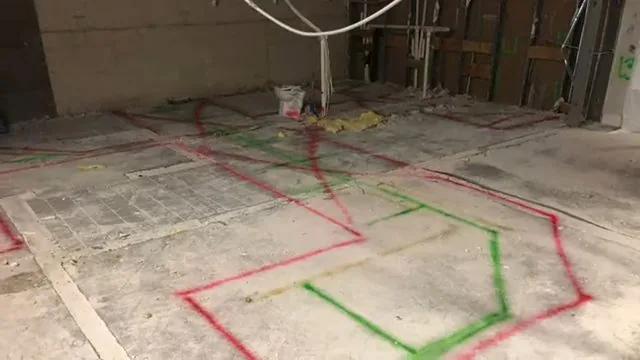
Does your home even have a slab
Not every Bullhead City home sits on concrete. About 29 percent are mobile or manufactured homes, whose pipes run under a raised floor and not through a slab, and the repair there is closer to ordinary pipe work. Conventional houses built in the 1980s and 1990s, which make up much of the housing stock, are the likely slab homes.
The median home was built in 1991 and 26.4 percent in the 1980s, per the latest Census five-year survey. That puts a large share of pipe at thirty to forty years old. This page does not claim to know the soil or slab type in your neighborhood, since local reports do not publish it. Ask the plumber what they see.
Three ways to fix a leak under concrete
Spot repair through the slab
The plumber locates the leak, breaks the concrete directly above it, repairs the pipe and patches the slab. It suits a single leak on an otherwise sound line. It means jackhammering inside the house, so floors, finishes and cabinets near the spot are affected, and the patch has to be finished afterward.
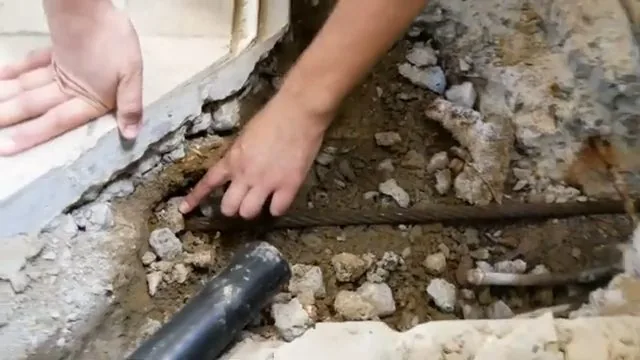
Rerouting the line
Rerouting abandons the leaking section and runs new pipe through the attic or walls to reach the same fixtures. It avoids breaking the slab, but it does open walls and ceilings and puts pipe in a new place. It makes sense when the old line is failing in more than one spot, or when the slab is under a floor you do not want to break.
Repiping the affected lines
If the pipe under the slab is worn throughout, repairing one leak means paying for the next one later. Replacing the lines is a larger job and a bigger decision, and it is covered on the whole-house repiping page. It is worth comparing against rerouting when the leak is not the first sign of failing pipe.
Pipe lining and rerouting methods are covered for sewer lines on a different page. Water supply lines are not lined in the same way, so do not assume a sewer method applies. Ask the plumber which of the three options suit your pipe and why, and ask for a written scope that states what will be opened and what will be patched.
Permits, notice and the order of work
The city's permit-exempt list covers repairing leaks in pipes, valves and fixtures. Replacing concealed pipe with new material, which is what rerouting and repiping are, counts as new work and needs a permit. Spot repairs may differ from that. Ask the plumber which applies and who pulls the permit, and the Building Division can confirm at (928) 763-0124.
Order matters, and the first call should be about stopping the loss. Close the main valve at the house if the leak is active, and if you have a hot spot with water standing on the floor, treat it as an emergency until the water is off. A confirmed leak under a slab does not heal, and water in the structure can undermine finishes and the subfloor.
Water damage, drying and insurance
Water that has reached flooring, baseboards and drywall must be dried after the plumbing is fixed. That work is water damage removal and drying, a separate job from the repair. Take photos of everything before work begins and keep the paperwork from every visit, whether or not you plan to make a claim.
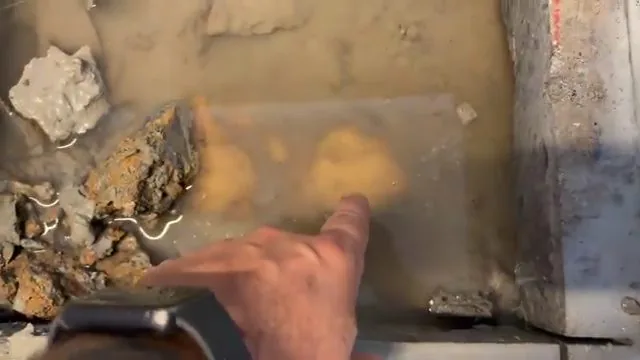
Insurance is a policy question this site cannot answer. Some policies cover the resulting damage and treat the cost of reaching the pipe differently from the repair itself, and exclusions vary. Call your insurer early, describe the leak plainly, and ask what documentation they want. A plumber can write down what was found and where.
Slab leak questions
How serious is a leak under the slab?
It is serious because it is hidden and continuous. Water can loosen the soil under the concrete, damage floor finishes and drive up your bill for months. It is rarely an overnight collapse. Most are found by a bill, a warm floor or the sound of running water.
Can a slab leak be fixed without breaking the floor?
Sometimes. Rerouting the line through walls or the attic avoids breaking the slab, at the cost of opening other surfaces such as ceilings and wall sections. Whether that is possible depends on the layout of the house and the condition of the pipe.
Will I need to move out while it is repaired?
Not always. The water is off for part of the job, and breaking concrete is noisy and dusty. Ask the plumber how long the water will be off, how the work area will be sealed off and how they will protect the rest of the home.