
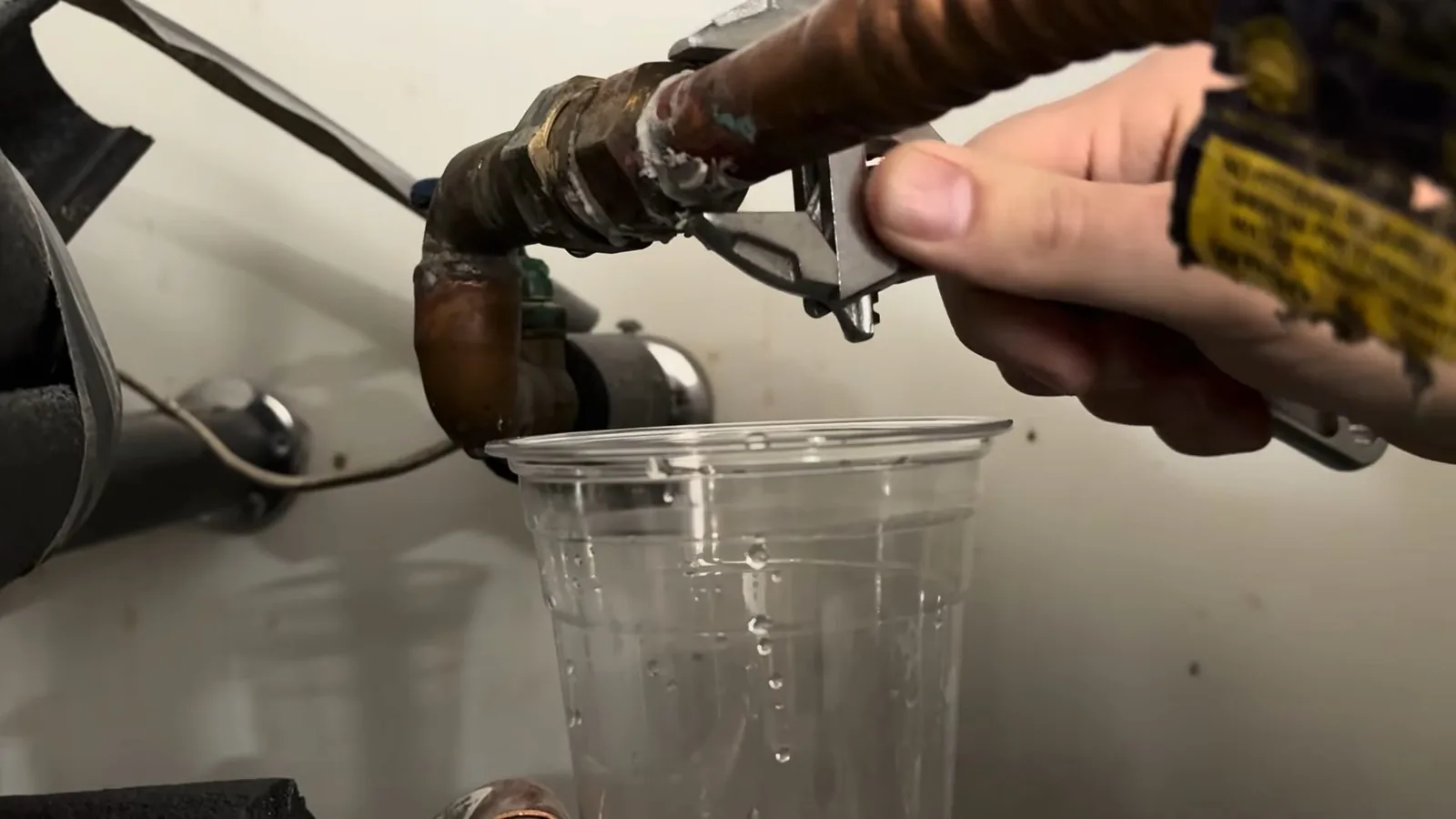
No hot water: what you can safely check
- All hot taps or just one? If only one tap is cold, the problem is probably that fixture or its mixing valve, not the heater.
- The breaker, on an electric heater. A tripped breaker is worth resetting once. If it trips again, stop and call, because a heating element may be shorted.
- The label, on a gas heater. The tank label has the lighting instructions. If you are not sure of the steps, do not guess at them.
- The floor around the tank. Water at the base changes the problem from a heating fault to a leak.
- The temperature setting. A dial that has been bumped to the lowest setting is a real cause of lukewarm water.
These checks cannot tell you why the heater stopped. A cold tank can be a failed part, a tripped safety device, a lost gas supply or a tank that has simply worn out. If you smell gas at any point, leave the house and call 911 and Southwest Gas at (928) 763-7467 before anything else.
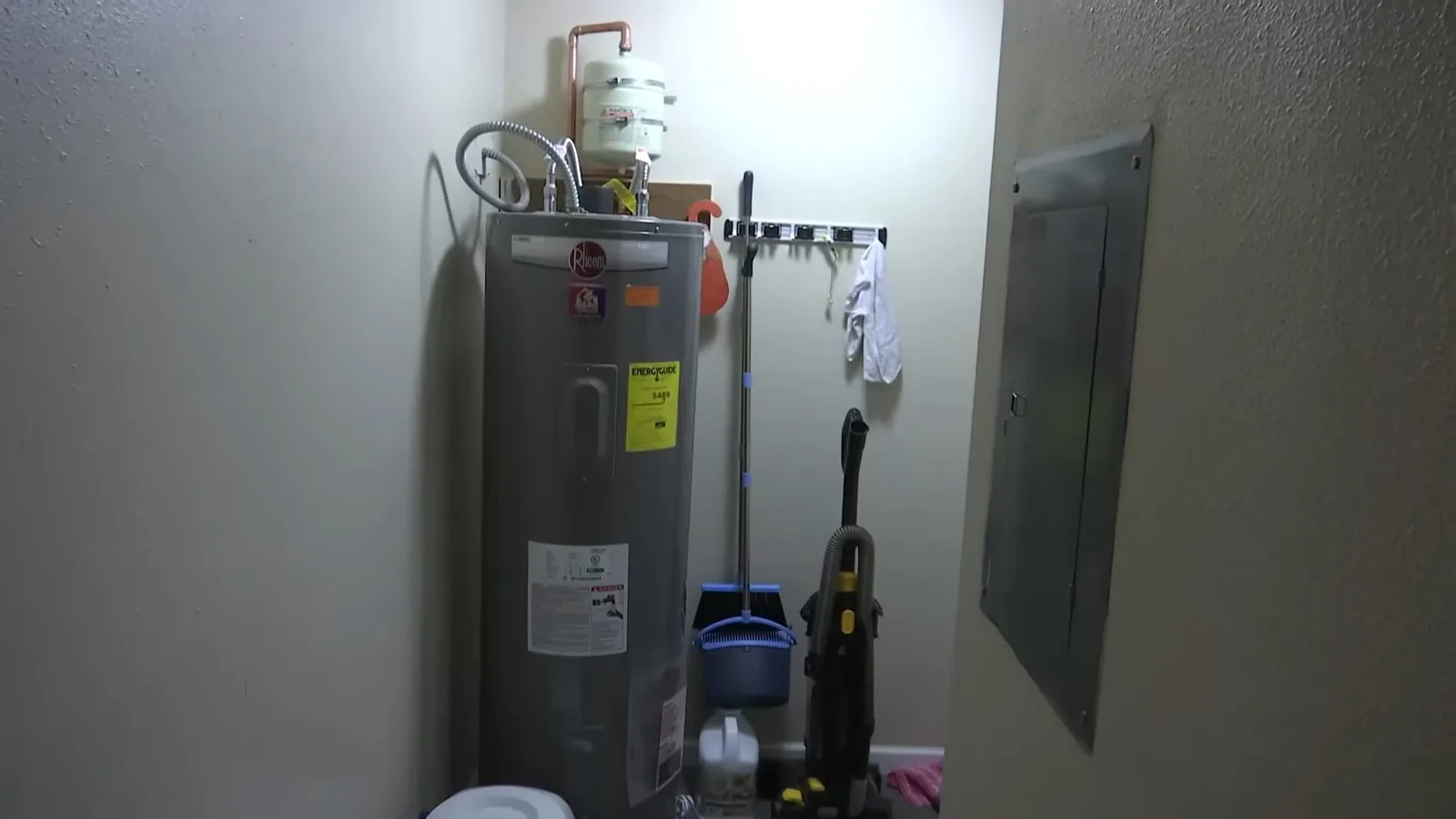
Gas or electric: the repair is not the same job
Gas water heaters
A gas heater needs gas, air and a clear path for exhaust. When it stops heating, a plumber usually looks at the ignition or pilot assembly, the burner and the venting, and confirms that gas is reaching the unit. Soot, a flame that will not stay lit or a scorched look around the top of the tank are reasons to stop using it and call.
Gas piping is not on the city's list of work exempt from permits, so repairs that touch the gas line are worth a question about permits before they start. The gas line repair page explains that side of the job.
Electric water heaters
An electric heater has one or two heating elements and thermostats. Water that is hot for a short time and then runs cold often points to the lower element or a thermostat. The power must be off at the breaker before anyone opens an access panel, and that is not a step to take on your own with a wet floor.
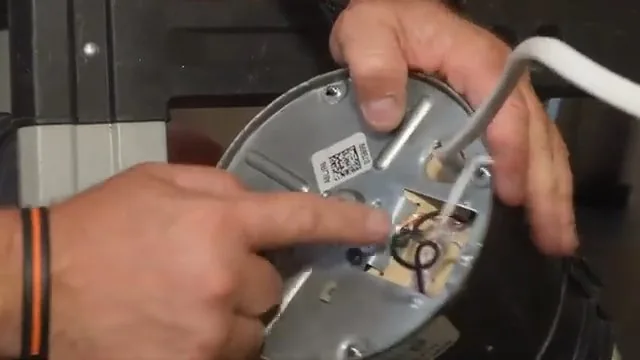
Elements and thermostats are replaceable parts, which is why an electric heater with a failed part is often a repair and not a replacement. The tank is the part that cannot be swapped, so its condition decides whether it is worth putting a new part into the unit you have.
A leaking water heater: where the water is coming from
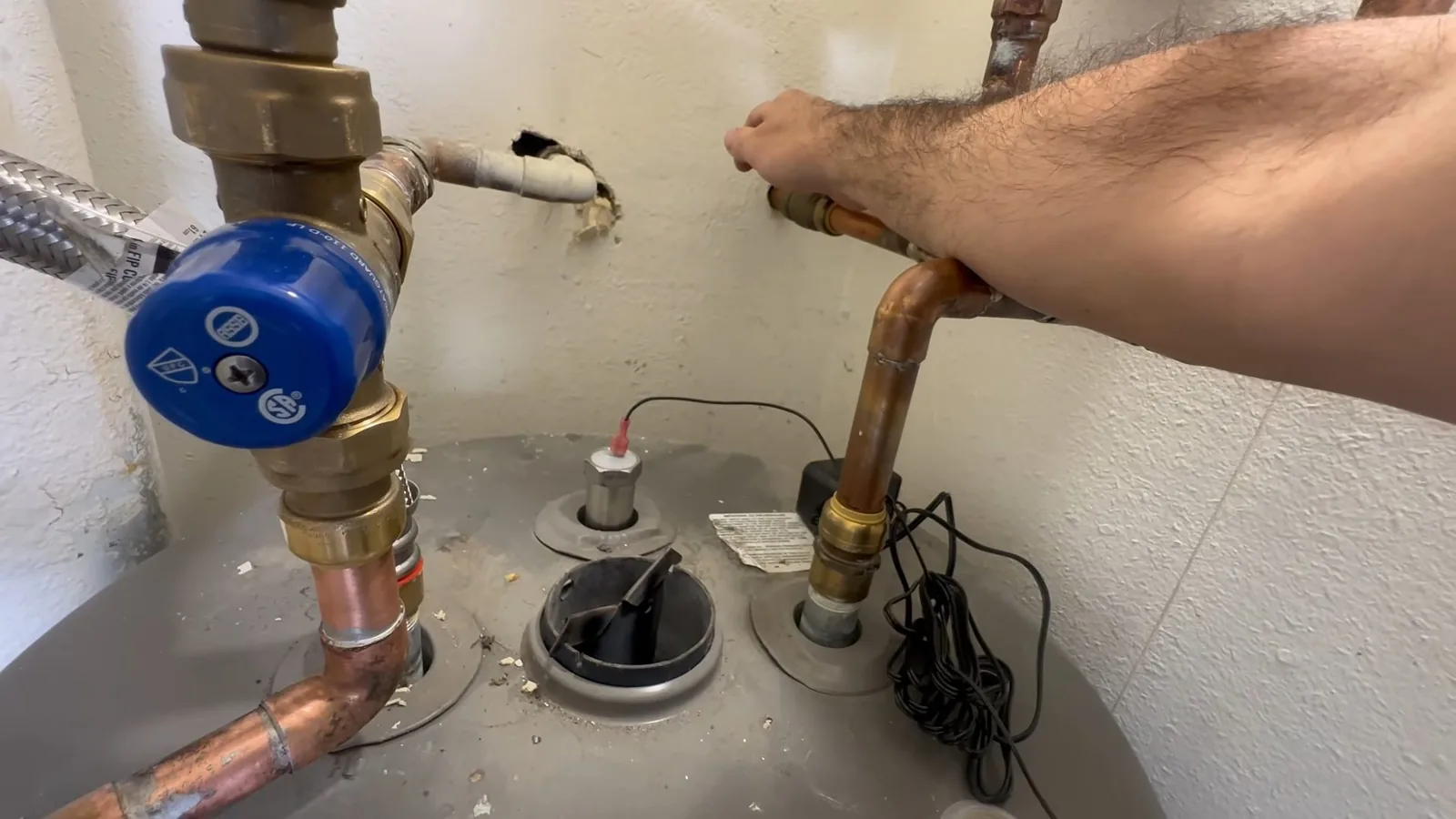
Water around a heater does not always mean the tank has failed. The source decides whether this is a repair or a replacement. Close the cold water supply valve on top of the heater, turn off the power at the breaker or the gas at the control, and only then look closely.
- Supply or outlet connections at the top. A loose or corroded fitting is often a repair.
- The relief valve or its discharge pipe. Water here can mean pressure or temperature is too high. This is a safety device, so do not cap it. Describe it to the plumber.
- The drain valve near the bottom. A drip here may be a worn valve.
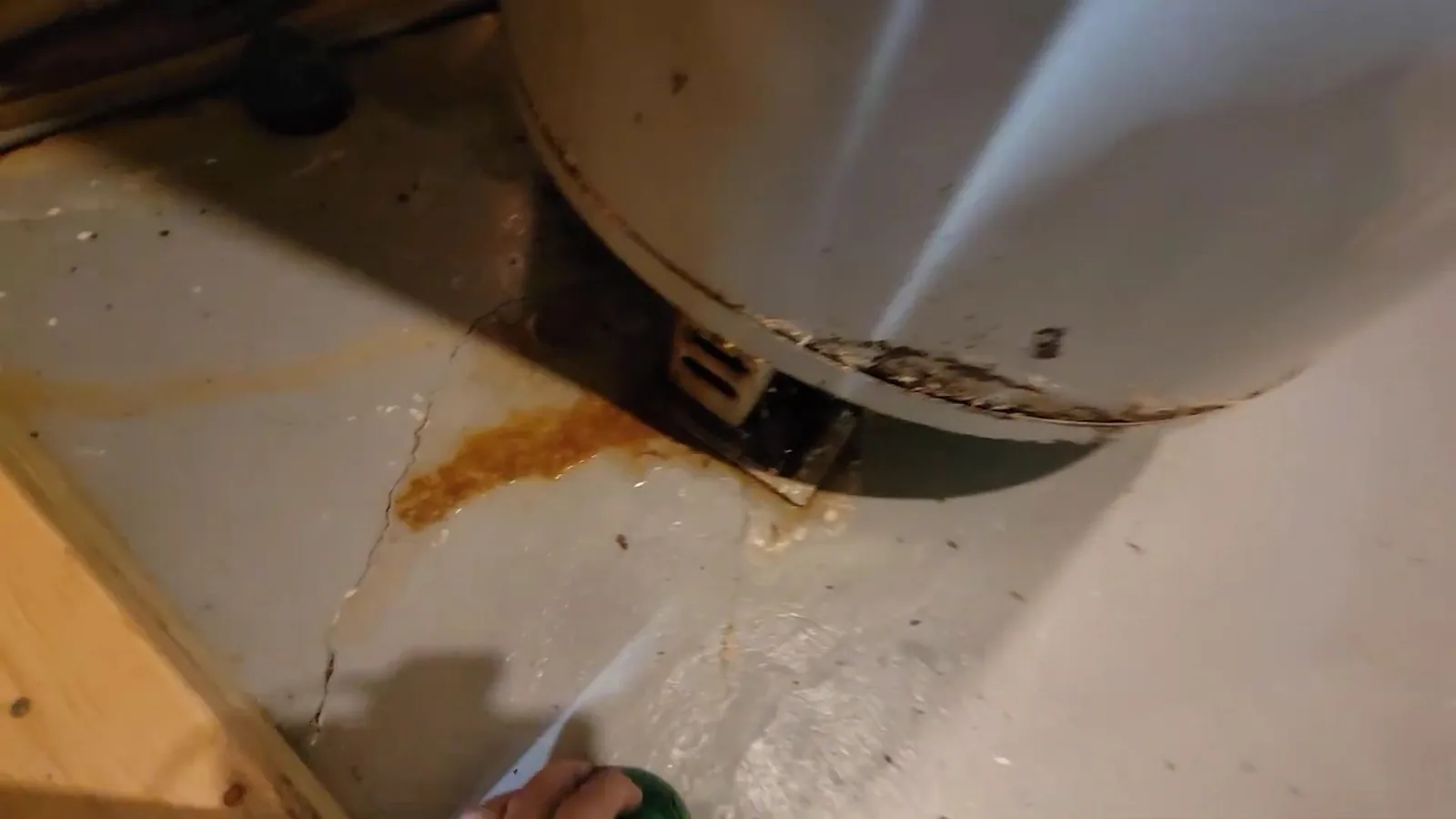
- The tank body, or water seeping from underneath. A leak from the shell itself means the tank has failed and is generally a replacement, not a repair.
If the water cannot be traced to a fitting, it may be coming from a nearby pipe and running down the tank. A plumber can tell the difference in minutes. For a leak that keeps coming back with no visible source, see finding a hidden leak.
Repair or replace: five questions to ask the plumber
- What exactly failed? A part, a connection or the tank. The answer decides whether repair is even possible.
- How old is the unit? The data plate on the tank shows the manufacture date. The median home here was built in 1991, so a heater may already be a replacement of an earlier one, or older than it looks.
- What does each option cost? Ask for the repair price and the replacement price together. Our typical price ranges are wide by design and are not quotes.
- Will the repair hold? A new part on a corroded tank can fail again soon. Ask whether the tank looks sound.
- Does the job need a permit? See the next section.
When replacement is the right answer, replacing a failed water heater covers the tank choices, such as size, fuel and venting. If you are weighing a different design altogether, tankless water heater service covers that type and what changes in the home when you switch to it.
Noise, rust-colored water and sediment
A rumbling or popping tank is commonly caused by sediment at the bottom. Water that is rusty only from the hot taps points at the tank, while rust from both hot and cold points at the supply piping. Draining some water from the tank, called flushing, is routine maintenance that a plumber can do during a visit.
Bullhead City's water comes from groundwater wells run by Bullhead City Utilities. Its published water-quality reports list sodium but not hardness. If scale is a concern, ask the utility at (928) 763-9400 for the hardness of the system serving your address before choosing a treatment. Water softener installation and repair explains the options once you have a number.
Permits, parts and the fixtures around the heater
The city's permit-exempt list does not include water heaters or gas piping, and it tells readers to assume a permit is required for any item not listed. Replacing a failed element or thermostat may differ from replacing the whole unit, so ask the plumber who pulls the permit before work begins. The Building Division can confirm at (928) 763-0124.
A repair visit often shows that other parts are worn: the shutoff valve at the heater, the flexible connectors, or a leaking faucet that explained the constant demand for hot water. If a faucet is the real problem, see faucet repair. Ask the plumber to point out anything else they see, and decide on each item separately.
Water heater questions
How long does a tank water heater last?
Many tank heaters last roughly eight to twelve years, but it varies with the unit, the water and how it was maintained. The data plate shows the manufacture date, and a plumber can judge condition from the tank and connections.
Is a small drip at the relief valve normal?
Not always, but it should not be ignored. Water at the relief valve can mean that pressure or temperature in the tank is too high, or that the valve itself is worn. Do not cap or plug the valve, because it is a safety device. Describe what you see to the plumber.
Can I flush the heater myself?
Flushing involves very hot water, a hose and a drain valve that may be stiff or leak once opened. If you are not comfortable with it, a plumber can do it during a visit, which is also a good moment to look over the tank, the connections and the relief valve for corrosion.