
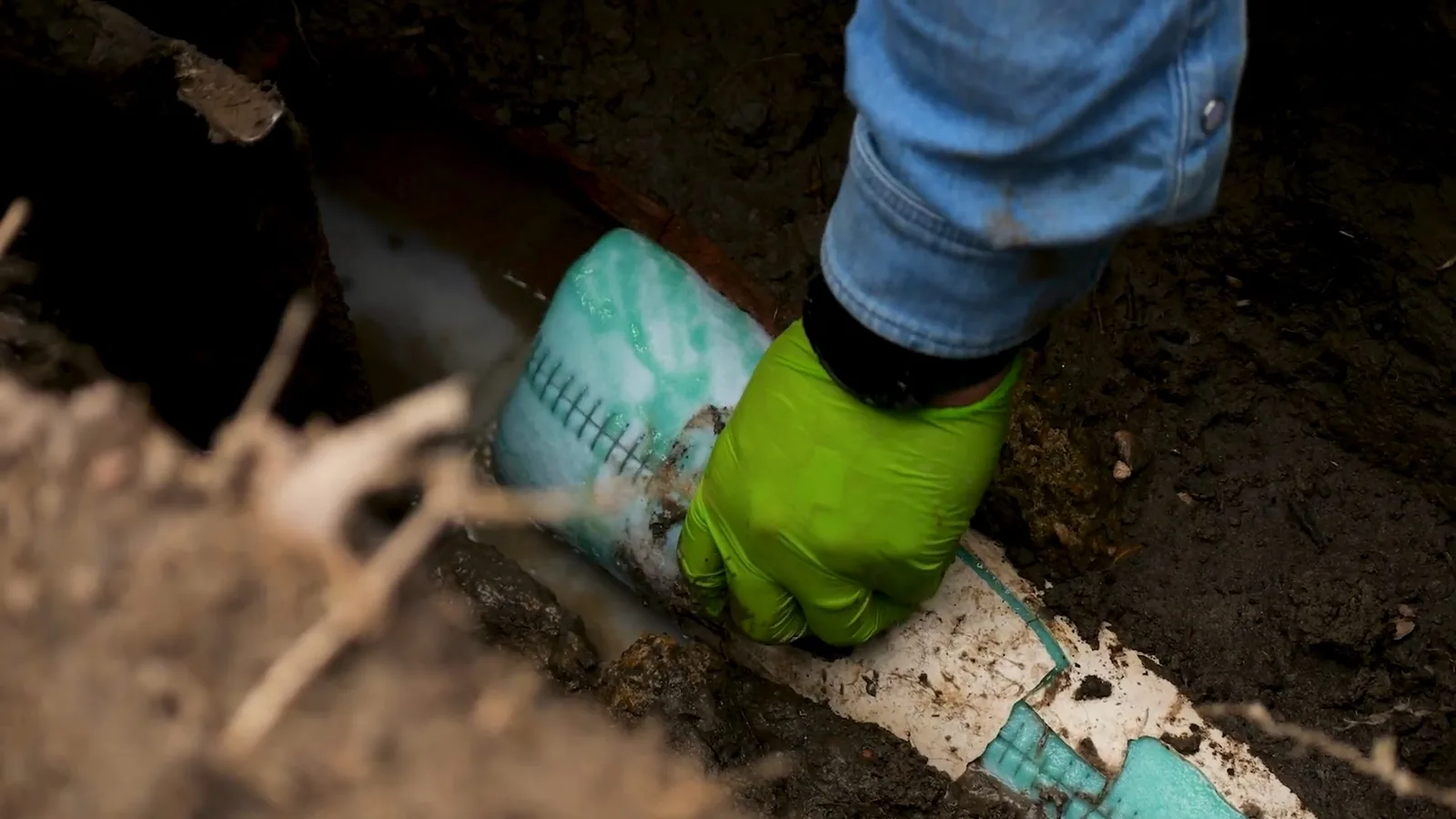
How lining works in plain terms
The plumber cleans the old pipe, then pulls or inflates a flexible tube soaked in resin through it. The tube is pressed against the pipe wall and cured with hot water, steam or light until it hardens into a new pipe inside the old one. Access is through existing openings and one or two small excavations.
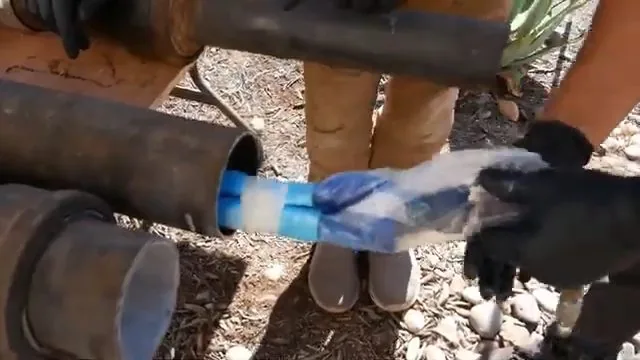
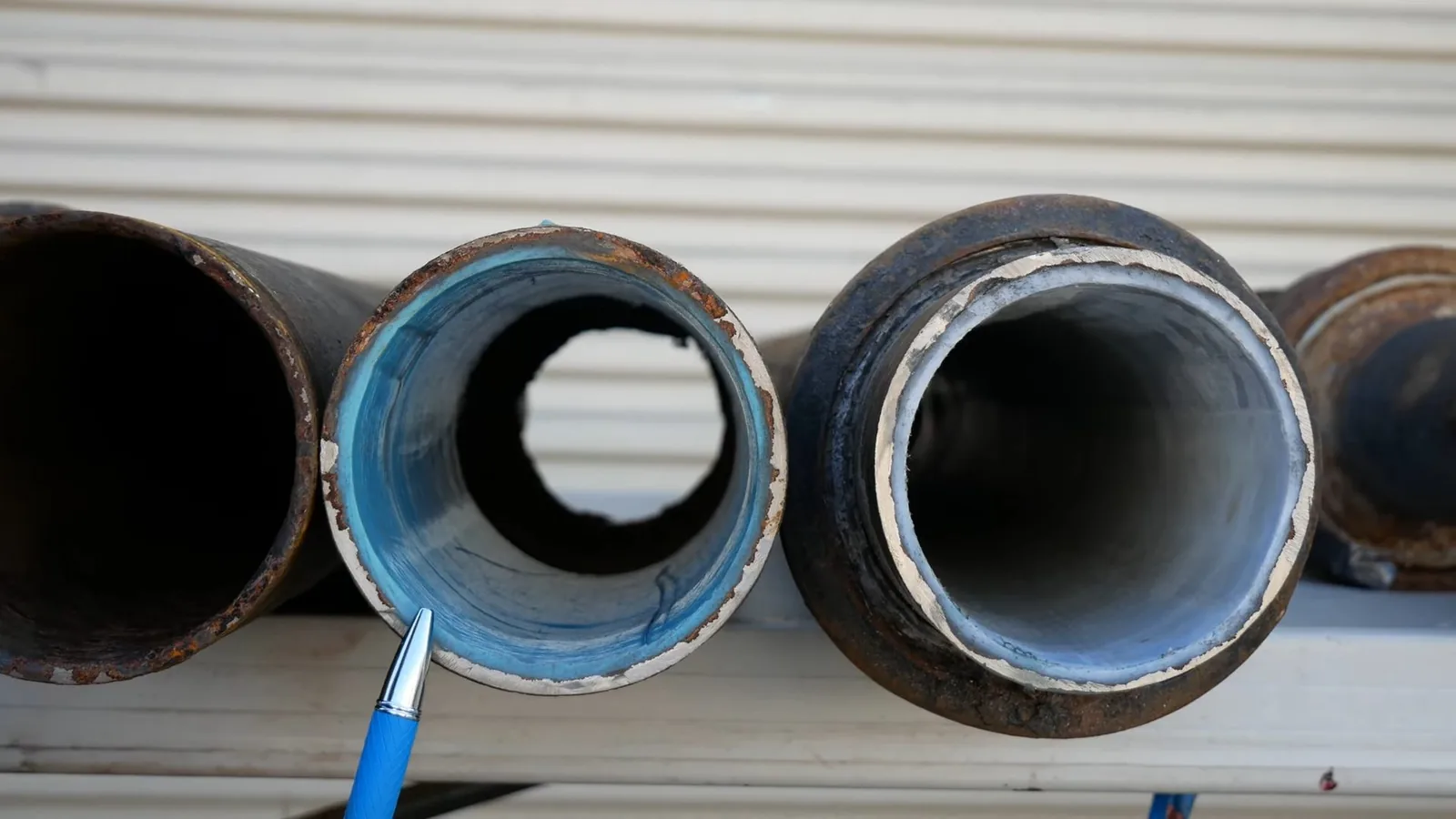
The result is a continuous pipe with no joints for roots to enter. It makes the line slightly narrower, and it relies on the old pipe as a host, so the host has to be in a condition the liner can bond to. That is why the camera and the cleaning step are not optional.
Lining or digging: how the two compare
| Question | Trenchless lining | Open trench |
|---|---|---|
| How much digging | A small pit or two at the ends | A trench along the full length |
| Disturbance to driveway, patio, yard | Usually little | Often a lot, with restoration needed |
| Fits a cracked pipe | Yes, if the pipe is still round | Yes |
| Fits a collapsed or badly sagging pipe | No | Yes, replacement is the answer |
| Fixes a belly that holds water | No, it follows the old shape | Yes, the grade can be corrected |
| Stops roots at joints | Yes, the liner has no joints | Yes, new pipe and joints |
Neither method is better in every case. Lining wins when the pipe is intact enough and the surface above is expensive to disturb. Digging wins when the pipe has collapsed, sags or needs a different route. Ask the plumber to say which fits your line and to point to the footage that shows why.
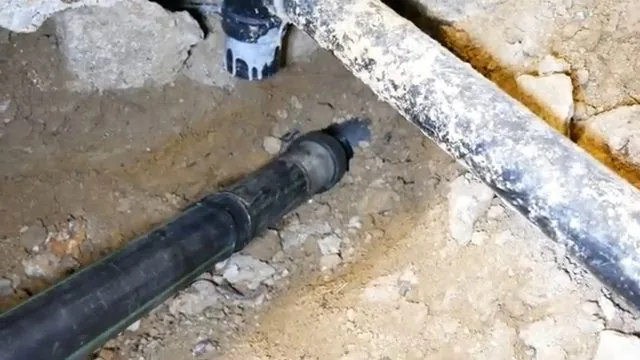
What the pipe needs before it can be lined
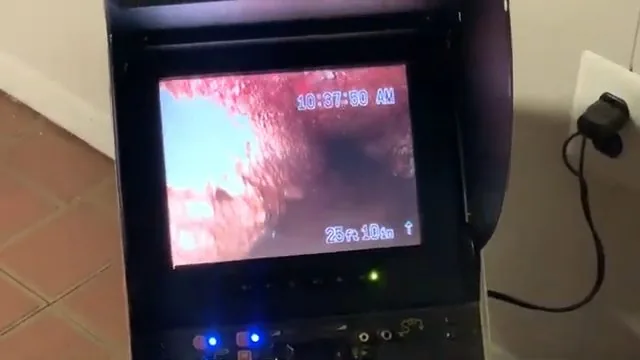
- A camera inspection to confirm the pipe's shape, the length and the locations of any bends or defects.
- Cleaning of the pipe wall, often with high-pressure jetting, so the liner can bond.
- Root removal and repair of any section too damaged to line.
- Access points at a cleanout or a small excavation at each end.
- Curing time during which the line cannot be used.
Because the line cannot be used while the liner cures, plan for the house to be without a working drain for part of the day. Ask how long, and what to do about showers, laundry and toilets in the meantime. A reasonable plumber can give you a plan and a time estimate before the visit.
What lining cannot fix
- A pipe that has collapsed or is badly out of round.
- A belly or sag that holds water, because the liner follows the old shape.
- A line with a severe offset at a joint.
- A line that no longer runs where the house needs it to go.
- Pipes that cannot be cleaned enough for the liner to bond.
When lining is ruled out, the choices return to those described under sewer line repair and replacement, including spot repair and replacement. Do not accept lining for a pipe the camera shows is collapsed. Ask the plumber to explain, in plain words, why this method suits this pipe.
Permit, notice and ownership questions
The city's permit-exempt list covers clearing stoppages and repairing leaks. It treats replacing concealed pipe with new material as new work, and it does not say how lining is handled. Ask the plumber who determines whether a permit applies, and confirm with the Building Division at (928) 763-0124. Any digging still needs an Arizona 811 notice, at least two working days ahead.
The city's pages do not say who owns the lateral between the house and the main. Before paying for lining, call Bullhead City Utilities at (928) 763-9400 and ask where its responsibility ends for your address. If the failed section is on the utility's side, the repair question changes entirely.
The method is not limited to sewer pipes in principle, but lining a pressurized supply line is a different matter, and that is not what this page describes. For leaks beneath a floor, see slab leak options, and for a worn supply system see repiping. Homes here span the 1980s and 1990s, with a median build year of 1991.
Trenchless questions
How long does a liner last?
Manufacturers describe lined pipes as long-lasting, but the real answer depends on the material, the quality of the installation and the condition of the host pipe. Ask the plumber what warranty the product and the installation each carry, and get both in writing.
Will lining stop roots coming back?
The liner has no joints, so roots cannot enter through the old ones. Roots can still try to enter at the connections and at the ends of the liner, which is why the plumber should seal those points and describe how they were handled.
Can I use my drains the same day?
Not while the liner cures, since any water sent down the line can disturb it. Ask the plumber for the expected time before the visit, and plan to limit water use in the house until they confirm that the line is ready to go back into service.