
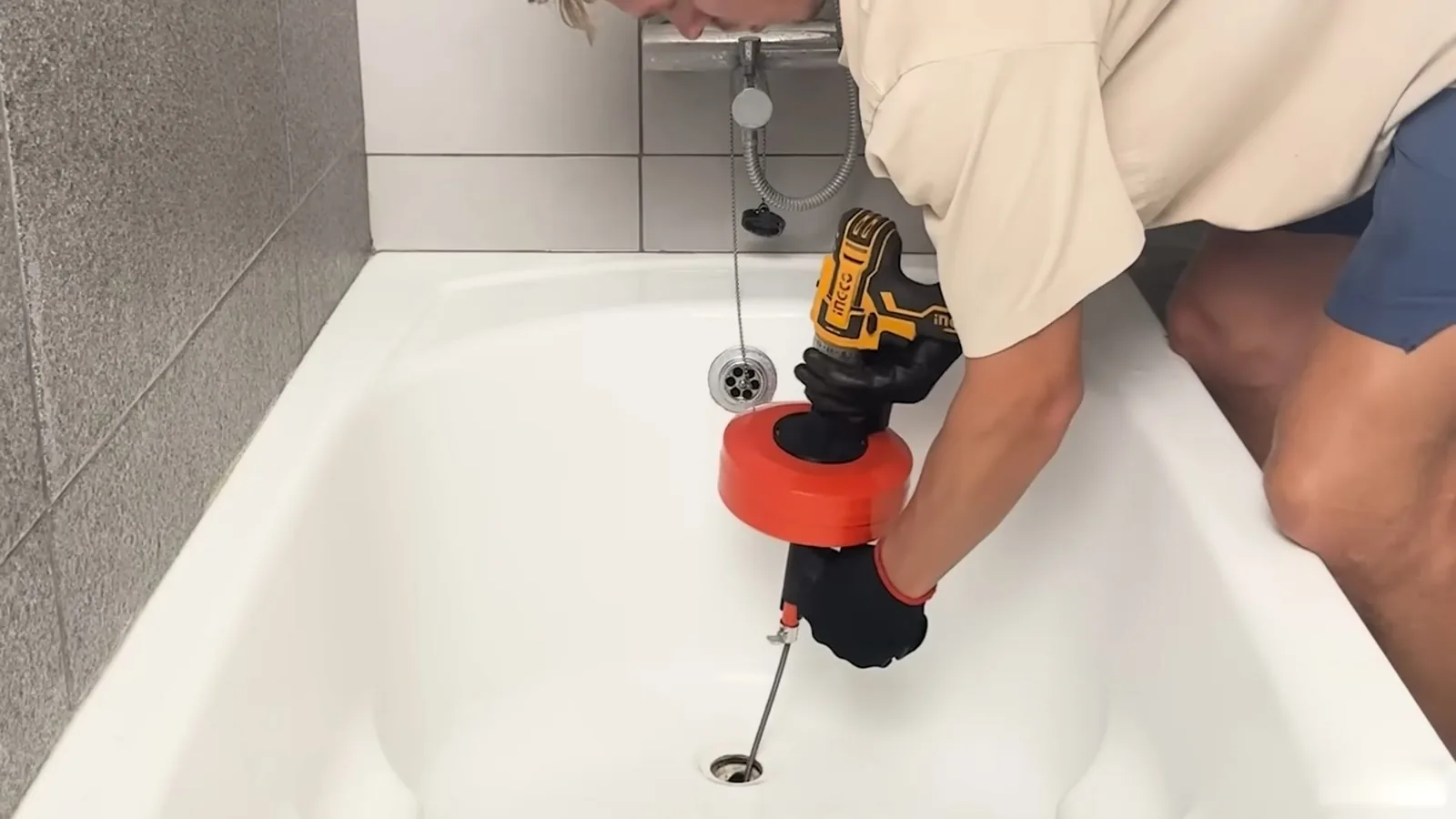
One slow drain or the whole house? Start there
Before calling anyone, spend two minutes working out how many fixtures are affected. Run each tap and flush each toilet once, and note which ones are slow. The pattern tells you where the blockage probably sits, how urgent it is and what kind of help you need on the phone.
| What you notice | Likely location | What it points to |
|---|---|---|
| One sink or tub drains slowly | The trap or branch line behind that fixture | A local clog, often cleared with a cable |
| The tub gurgles when the washer drains | A shared branch line | A partial blockage a camera can locate |
| Several fixtures slow, or a floor drain backs up | The main drain or sewer line | A main-line problem, see sewer line repair |
| Sewage rises in the lowest fixture | A blocked main line | Stop using water and call now |
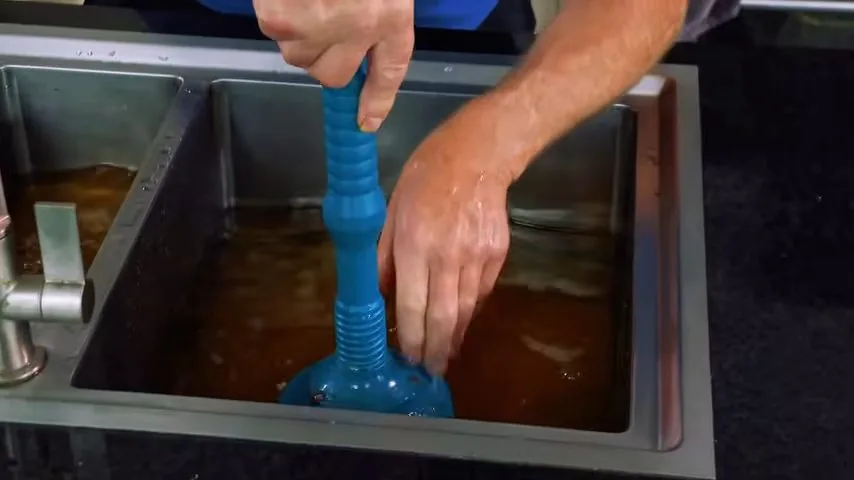
A plunger on a single fixture is a reasonable first try, with the overflow opening blocked off by a wet cloth so the pressure goes down the pipe. If the water rises in a different fixture while you plunge, the blockage is shared and you are pushing water around instead of clearing it.
Kitchen, bathroom and laundry clogs each have a usual cause
Kitchen sinks
Grease and food solids are the usual cause. Grease cools inside the pipe and coats the wall, and each rinse adds a layer until the opening is narrow. A kitchen clog that returns every few months is a buildup problem, not a one-time blockage.
Bathroom sinks, tubs and showers
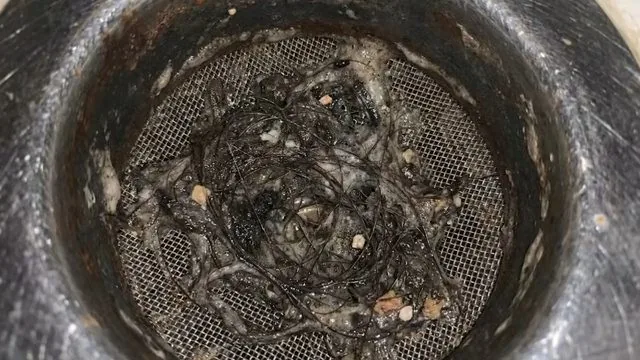
Hair and soap form a mat just below the drain opening or in the trap. This is the clog most often cleared with a hand tool, and a drain strainer prevents most repeats. If the tub or shower drains slowly even after the visible hair is out, the blockage is farther down.
Laundry standpipes
Washing machines move a lot of water fast, and lint builds up in the standpipe. A washer that backs up out of the standpipe when it drains is telling you the line cannot carry the flow, which is worth a camera look if it keeps happening.
Before the visit: what to tell the plumber about what you already tried
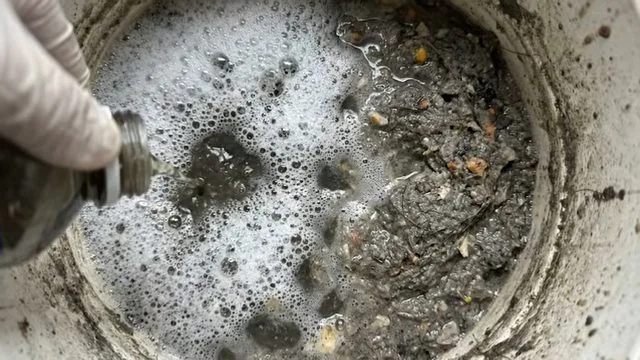
If you poured a chemical drain opener down the drain, say so. Some products are harsh on certain pipe materials, and they leave standing water that is a hazard to whoever opens the trap afterward. Also mention how long the problem has lasted and whether a plunger moved anything.
Do not run the garbage disposal into a clogged line, and do not keep flushing a toilet that is not draining. Each of those pushes more water toward a blockage that has nowhere to go, and a half-clogged line can become a full one overnight. Hold the laundry until the drain has been looked at.
When the clog is in the main line
A blocked main line stops every drain in the house at once. The first question is whether your street is on city sewer or on septic, because the answer decides who you call. The city runs the sewer and has replaced septic with sewer in several areas, including Arroyo Vista, Buena Vista, Tierra Grande, Desert Glen, Lake Mohave Highlands and Sunridge.
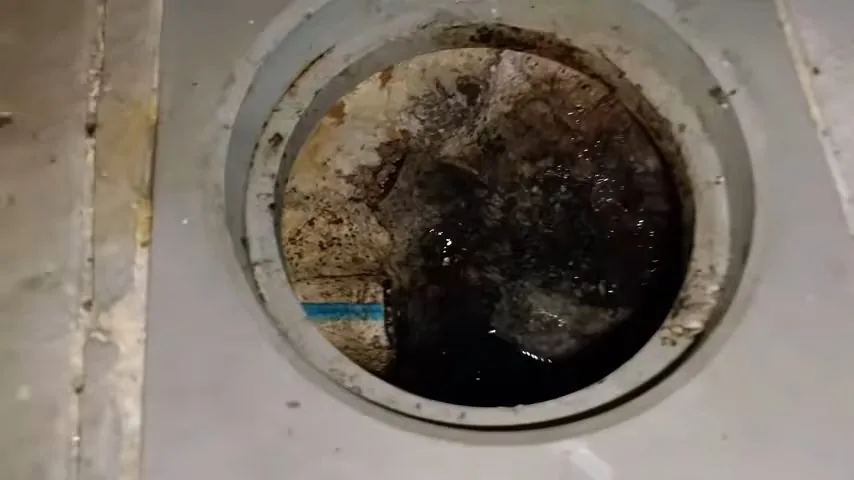
Bullhead City Utilities can tell you what serves your address at (928) 763-9400. For septic, the city lists Mohave County Environmental Health as the contact. The city's pages do not say who owns the section of sewer pipe between the house and the main, so confirm that with the utility before paying to repair a line.
Under the city's list of work exempt from permits, clearing stoppages does not need a permit. Replacing a concealed pipe with new material does. If the clog turns out to be a collapsed or offset pipe, the job moves into repairing or replacing the sewer pipe, or lining the pipe instead of digging it, covered under trenchless pipe lining.
Camera inspection: what it shows and when to ask for it
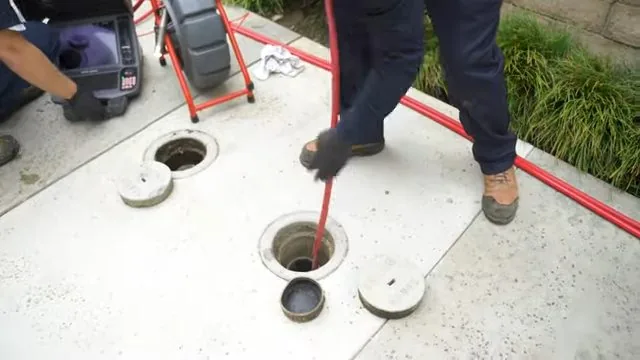
A drain camera runs on a flexible cable into the line and shows what is actually inside: a grease buildup, roots entering a joint, a pipe that has shifted out of line, or a cracked section. It turns a guess into a picture.

Ask for one when a clog comes back after clearing, when several fixtures are involved, or before agreeing to expensive repair work. Ask the plumber to show you the footage and to mark where on the line the problem sits. If the picture shows heavy grease or scale on the pipe walls, hydro jetting is the method that scours it clean.
Yard drains, French drains and commercial kitchen lines
Drains outside the house clog differently. Yard drains, storm drains and French drains collect sand, leaves and debris, and they can fill after heavy runoff. If water pools in a spot where it used to drain away, the line may be full of sediment.
Commercial kitchen grease lines are a separate kind of work. This site is set up for homes, so if your drain belongs to a restaurant or other commercial kitchen, say so at the start of the call and the dispatcher will tell you whether a plumber can take it.
Keeping drains clear between visits
- Pour cooled cooking grease into a container and throw it out, not down the sink.
- Fit a strainer in every shower and tub drain and empty it.
- Scrape plates before rinsing, especially starchy food such as rice and pasta that swells in the pipe.
- Do not flush wipes, even ones labeled flushable. They do not break down like paper.
- If a drain is slow for more than a few days, deal with it early, before it becomes a backup.
A newer fixture in an older house can also be the reason a drain suddenly struggles. The median home here was built in 1991, and 29 percent of homes are mobile homes, whose drain layouts differ from a conventional slab house. Mention your home type on the call so the plumber knows what to expect.
Drain cleaning questions
How often should drains be professionally cleaned?
There is no fixed schedule that suits every home. A drain that is flowing normally does not need cleaning. A drain that clogs repeatedly, or a line with a history of roots or grease, may benefit from periodic service, and a camera inspection can tell you which applies.
Will a chemical drain opener fix it?
It may clear a minor blockage, but it can be harsh on some pipes and it leaves a hazard behind if the clog does not move, because standing water in the trap is then caustic. Tell the plumber if you used one, so they wear the right protection when they open the trap.
Why does my washing machine back up through the standpipe?
The drain line cannot carry the flow, usually because of lint buildup in the standpipe or a blockage farther down the branch. Clearing the standpipe sometimes fixes it for a while. If it repeats, ask the plumber for a camera look so the real cause is found.