
Is this a repair or a remodel
The answer sets almost everything that follows: who you call, what it costs and whether a permit enters the picture. A repair puts back something that worked, such as a toilet that no longer seals or a tub that leaks. A remodel changes what is there, by moving a fixture, adding a shower or replacing wall pipe.
Many bathroom jobs start as one and turn into the other. A leak at a shower valve may reveal rot that makes opening the wall sensible. A vanity swap may expose supply lines that are too old to reuse. Ask the plumber early whether they expect the job to stay a repair, and what would change that.
Toilets, showers and tubs: what each one needs
Toilets
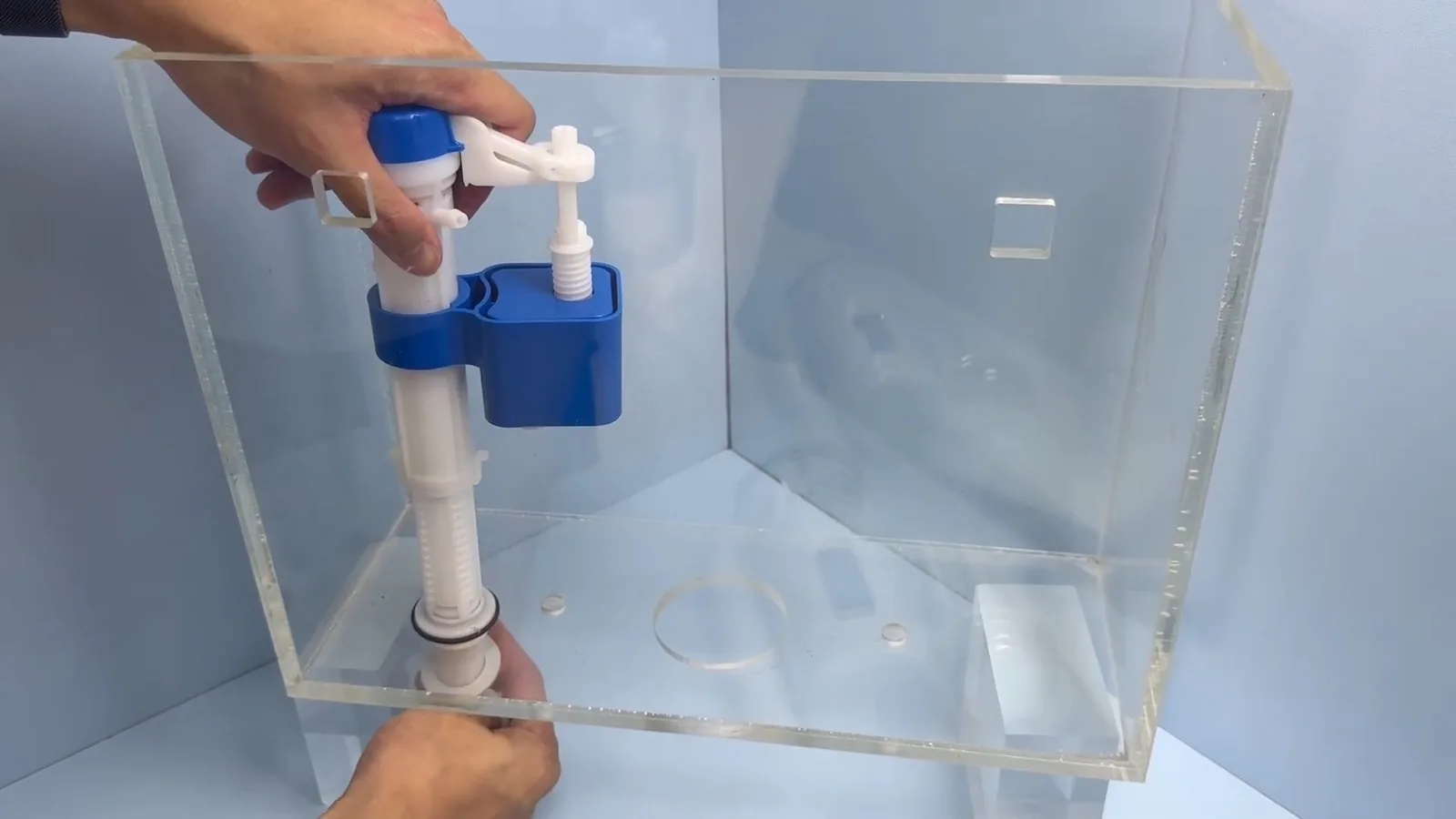
A toilet that runs is usually a worn flapper or fill valve inside the tank, which is a modest repair. One that rocks needs a new seal or sound flange. A toilet that clogs repeatedly may have a partial blockage farther down the line. A leak at the base should be checked quickly, because the water can soak the floor beneath.
Showers and tubs
Low pressure from a showerhead is often scale in the head. A valve that will not shut off, a handle that sprays or hot water that runs cold points to the valve behind the wall. Slow draining is a hair and soap issue most of the time. A tub that leaks into the room below needs prompt attention.

Vanities and sinks
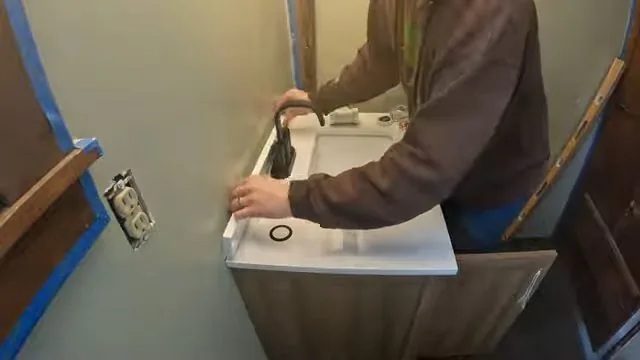
Replacing a vanity means disconnecting the supply lines, the drain and the shutoff valves, and reconnecting them to the new sink. It is the moment to replace old valves and flexible lines that have been in service for decades. The detail on sinks and spouts is on the faucet and sink repair page.
What a remodel does to the pipes behind the wall
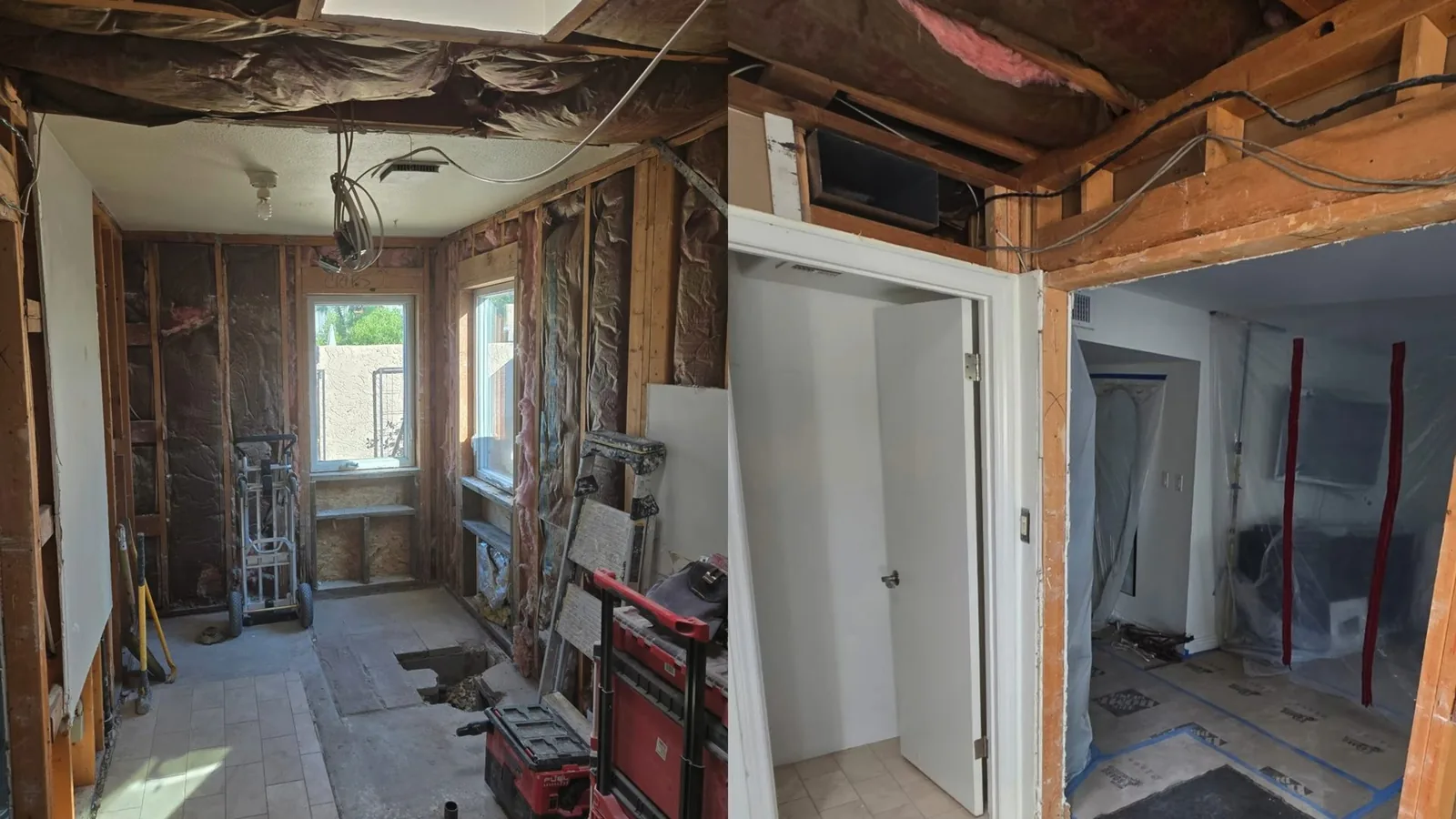
- Rough-in. The supply and drain lines are placed or moved while the walls are open. Inspection, where required, happens at this stage and before the walls close.
- Fixtures set. Toilet, vanity, tub or shower are installed and connected once the finishes are in.
- Test. Every fixture is run, drains are checked for slow flow and connections are checked for drips.
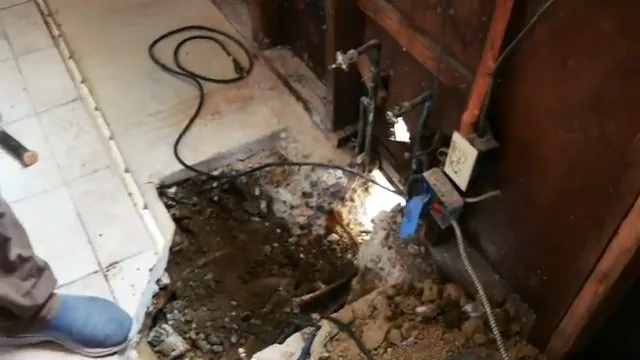
Moving a toilet or a tub is the expensive part of a remodel, because the drain has to go where the new fixture goes and it must slope correctly. Keeping fixtures where they are keeps the price down. Ask for the reason behind any layout change, and ask whether the existing drain can stay.
If a hot water run feeds the bathroom, a remodel is also a good time to think about the water heater serving that line, especially in a home where the hot tap takes a long time to arrive. A longer run to the heater is a layout issue the plumber can see, and moving the heater is a separate decision.
Permits and the city's exempt list
The city's list of work exempt from permits includes stopping leaks, clearing stoppages and repairing leaks in pipes, valves and fixtures. A new toilet in place of an old one is a like-for-like swap in most cases. Adding a fixture, moving pipe or replacing concealed pipe with new material counts as new work and needs a permit.
The city's code basis is the 2018 International Plumbing Code and the 2018 International Fuel Gas Code. The plumber should say who is pulling the permit and who schedules the inspection. The Building Division is at (928) 763-0124 if you want to confirm before work starts, and it is worth asking before you buy materials.
Aging fixtures in 1980s homes and manufactured home bathrooms
The median home in Bullhead City was built in 1991, and 26.4 percent went up between 1980 and 1989, according to the latest Census five-year survey. That means a large share of bathrooms have original fixtures, valves and supply lines that are past thirty years in service. Plan on replacing the small parts when you open the wall.
About 29 percent of homes here are mobile or manufactured homes. Their bathrooms sit over a floor system with lines running beneath, not through a concrete slab, and walls and floors are thinner. Say what type of home you have when you call, because the access, the materials and the repair method differ.
If a repair reveals pipe that is failing in several places, a larger fix may be on the table. Whole-house repiping is the page for that decision. It is a decision to make after the plumber has looked at the actual pipe and not on the strength of one leak. A single bad valve is not a reason to replace every line.
Bathroom plumbing questions
Do I need a permit to replace a toilet?
A like-for-like toilet swap generally falls under repairing fixtures, which the city lists as exempt from permits. Moving the toilet, changing the drain or adding a fixture is new work that needs one. When in doubt, call the Building Division at (928) 763-0124 before work begins.
Why does my bathroom sink drain slowly?
Hair and soap collecting in the trap and just below the drain opening is the usual cause. A drain strainer and an occasional clearing prevent most repeats. If more than one fixture drains slowly, the blockage is likely in the shared line, which is covered under unblocking a shared drain line.
Can the plumber work around a tub I want to keep?
Often yes, but access depends on how the tub was built in and what is sitting behind the wall. Tell the dispatcher what you want to keep, such as the tub, the tile or the vanity, so the plumber can say what is realistic before the visit.